
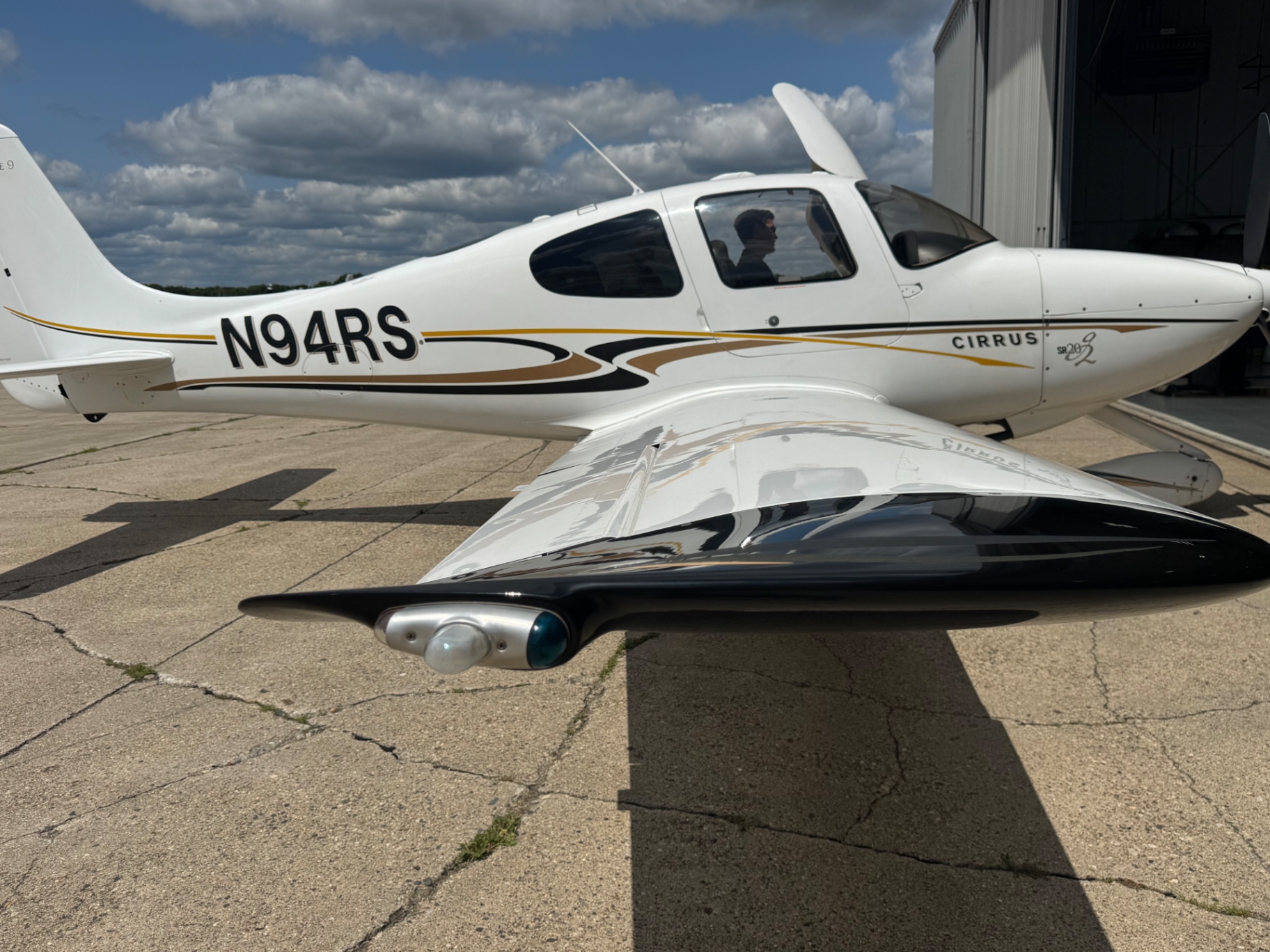
The FAA published its Modernization of Special Airworthiness Certification (MOSAIC) final rule on July 24, 2025. The first phase — the part that expanded sport pilot privileges — took effect October 22, 2025. The remaining certification and manufacturing provisions, including the new performance-based Part 22 framework replacing the old light-sport aircraft definition, completed the rollout on July 24, 2026.
For pilots flying out of Denton Enterprise Airport (KDTO), MOSAIC is the biggest practical change to the entry-level path into aviation in two decades. Below is a plain-language summary of what changed and what it means for a DFW pilot deciding between a sport pilot certificate and a private pilot certificate.
The headline: weight limits are gone, stall speed rules now
- The old 1,320 lb maximum takeoff weight limit for light sport aircraft is replaced by a clean stall speed limit of 59 knots CAS.
- Sport pilots may operate aircraft with up to four seats — but may still carry only one passenger.
- The previous 120 kt maximum speed cap for sport pilot operations was removed; new light sport designs are capped at 250 kcas under the new certification standards.
- Because the qualifying test is now stall speed and configuration, a number of familiar four-seat trainers may be eligible — but not all of them. Eligibility is aircraft-specific and must be verified model by model.
Why this matters if you're learning to fly in North Texas

A sport pilot may be able to use a valid U.S. driver's license and self-certification of fitness to fly, depending on medical history and current FAA rules. A denied medical cannot simply be bypassed, so discuss your circumstances with an instructor and an appropriate medical professional. Combined with the wider range of eligible airframes under MOSAIC, sport pilot can be a useful first step for some Metroplex pilots.
| Question | Sport pilot | Private pilot |
|---|---|---|
| FAA medical required | Typically driver's license; denied medicals cannot be bypassed | Yes — third class or BasicMed |
| Minimum FAA flight time | 20 hours | 40 hours |
| Passengers | One | Limited by aircraft seating |
| Night flight | Conditional on required training and endorsements, an FAA medical or BasicMed, and aircraft suitability | Permitted with required training |
| Typical A4 path | Start in the Jabiru J170 | A possible instructor-reviewed mix of Jabiru and Cirrus, depending on aircraft limitations, transition and requirements |
How A4Flight Academy is handling it
- Within A4Flight’s fleet, N538J ("Jab", a Jabiru J170) has the lower current aircraft rate. Check its live record for status and availability.
- Every A4 aircraft record in the member portal carries the POH, weight and balance data, and inspection status, so eligibility questions get answered from documents rather than hearsay.
- Our Part 61 syllabus tracks certificate experience requirements. If a student later moves from sport to private, an instructor reviews which individual training and flight experience may apply.
If you're weighing sport versus private, the honest answer usually depends on whether you want to fly at night, carry more than one passenger, and how your medical history looks. A discovery flight is the best way to make that decision with real data instead of guesswork.
MOSAICSport pilotLight sport
