
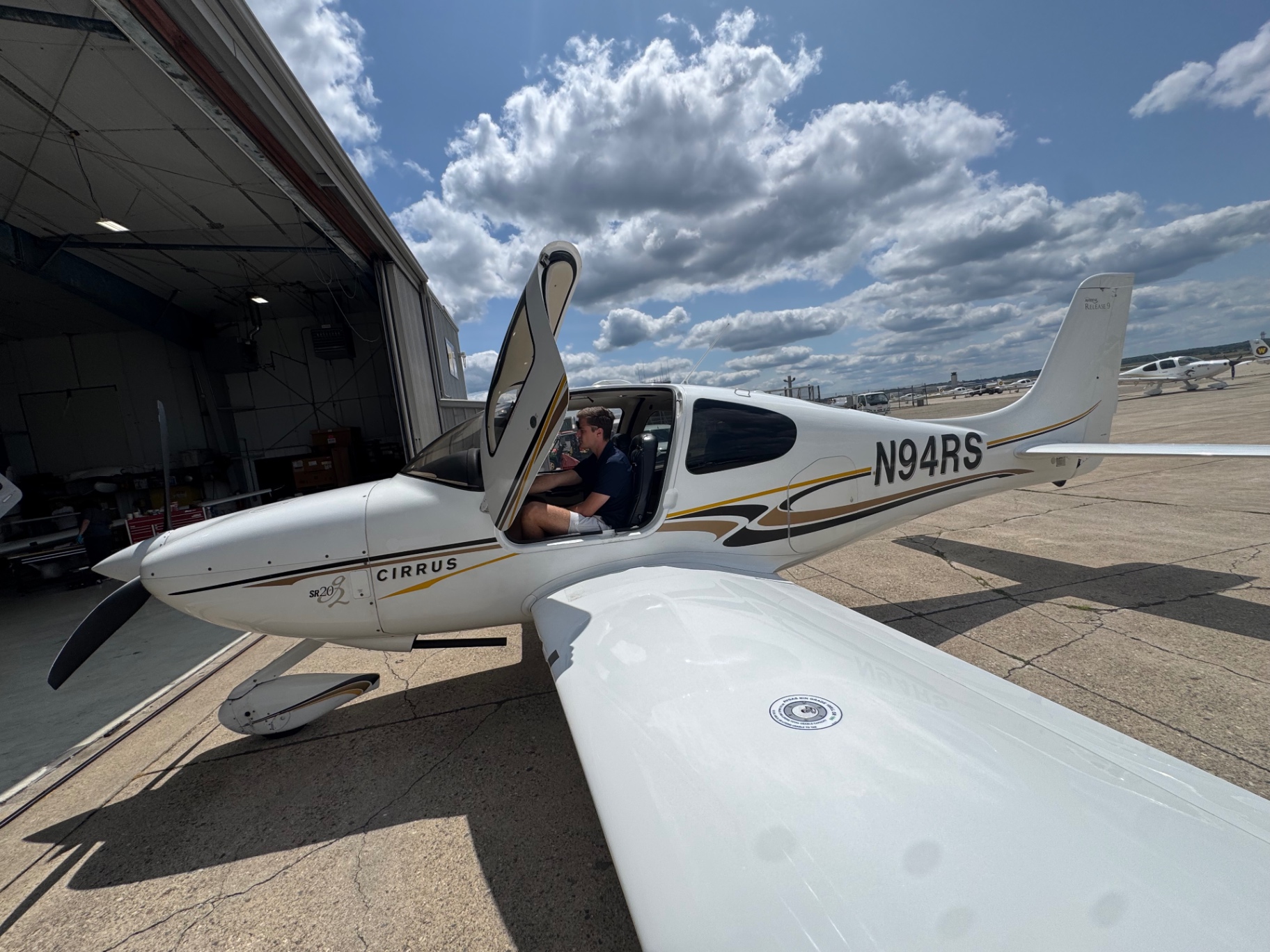
Most flight training quotes are wrong for the same reason: they price the FAA minimum instead of what pilots actually fly, and they leave out everything that isn't the hourly aircraft rate. Here is how we think about it, and how A4Flight Academy bills.
How A4 bills
- Aircraft rates are wet — fuel is included in the hourly rate. No separate fuel reimbursement surprises.
- One invoice covers both the aircraft and the instruction. You don't get a second bill from your CFI.
- Reservations carry a one-hour minimum and bill in tenth-of-an-hour increments — you pay for the time you fly.
- A discovery flight is $200 and includes a 0.8-hour flight with a CFI, in the left seat with your hands on the controls.
- Membership initiation is $500, which includes your first hour of checkout. Monthly dues are $100, or $1,000 if you prepay the year.
- Training enrollment requires a $1,000 deposit to get started, then bills hourly as you fly.
The costs people forget
| Item | Notes |
|---|---|
| Written exam fee | Paid to the testing center, not the school |
| Checkride / DPE fee | Paid directly to the examiner; varies by DPE |
| Medical exam | AME fee if you go third class; none for the sport pilot driver's license standard |
| Headset and supplies | One-time; a decent used headset is fine to start |
| Ground study material | Written prep course or books |
How to make training cheaper without cutting corners
- 1Fly frequently. Two lessons a week finishes far cheaper than one every three weeks, because you spend less time re-learning.
- 2Do the ground work at home. Showing up prepared converts expensive airborne time into productive airborne time.
- 3Start in the least expensive capable airframe. Our Jabiru J170 is the lowest hourly rate in the fleet and teaches stick-and-rudder honestly.
- 4Book early morning slots in summer. Smooth air and lower density altitude mean better training value per hour.
- 5Track your FAA experience requirements as you go — the A4 portal does this automatically so you're not paying for hours you already have.
Current published rates for each aircraft live on the fleet pages, and they're the same numbers our billing system uses. If a rate on a fleet page doesn't match what you were quoted, the fleet page is right — tell us.
CostTrainingMembership
