
Choosing a flight school is one of the largest training decisions you'll make, and the options look similar from the outside. Most websites promise experienced instructors, modern airplanes and a clear path to your certificate. The differences show up in how the program actually runs day to day: who teaches you, how often you fly, what you fly and how your plan is built. This guide explains what a high-volume model and a premium one-on-one model each offer, so you can decide which fits.
Two different ways to run a flight school
High-volume schools are built to move many students through a standard program. They often have large fleets, many instructors and set syllabi. That structure can work well, especially for students who want a structured career program and have a flexible schedule.
A premium one-on-one program is built around the individual. Fewer students, a dedicated instructor, a specific airplane and a plan based on your own experience and goals. It's designed for pilots who value their time and want the training to fit them, not the other way around.
Where high-volume training can cost you time
None of these are guaranteed problems at any given school, but they're worth asking about, because each one can add hours and expense.
- Instructor changes. When instructors move on or rotate, each new one has to learn where you are. That often means repeat lessons.
- Schedule queues. Lessons wait on aircraft and instructor availability across a large roster. Gaps between flights mean more review.
- Mixed fleets. Large fleets can vary in age, equipment and condition. Ask which airplane you'll actually fly and how it's equipped.
- One syllabus for everyone. A standard program may not shorten much for what you've already done.
- Less individual attention. With many students, it can be harder to get a plan that reflects your learning style.
What a premium program should give you
| Question to ask | What a strong answer looks like |
|---|---|
| Who is my instructor? | One named instructor for your whole block |
| How often will I fly? | A proposed schedule agreed before you start |
| What will I fly? | A specific, well-maintained aircraft with current avionics |
| What's my plan? | A written plan based on a review of your logbook |
| What does it cost? | Published rates and an honest budget estimate |
| What happens on weather days? | A clear policy for ground work and rescheduling |
| Who maintains the airplane? | A named maintenance approach and inspection status |
Comparing total cost, not hourly rate
An hourly rate is easy to compare and easy to misread. What matters is the total cost to reach your goal. If training is interrupted, a lower hourly rate can still cost more because of repeated lessons, extra hours and time away from work or family.
A premium program may cost more per hour, but it is designed to reduce wasted hours: fewer gaps, less re-briefing, a plan tailored to what you've already done. That isn't a promise of fewer hours for any individual pilot, but it's the logic behind the model, and it's worth weighing against your own schedule and goals.
Your time is part of the price
For many of our pilots, the scarcest resource isn't money. It's time. A training block that respects your calendar, starts on time and uses each flight well is worth a lot. Ask any school how they handle late aircraft, cancellations and rescheduling, and how they'll keep your plan moving.
Questions to ask on a school visit
- 1Can I meet the instructor who would train me?
- 2Can I see the aircraft I'd fly, including its avionics and logbooks?
- 3How is my plan built, and how will you use my prior experience?
- 4What's the typical gap between lessons for students like me?
- 5What do your published rates include, and what's billed separately?
- 6How do you handle weather, maintenance and instructor availability?
How A4Flight approaches it
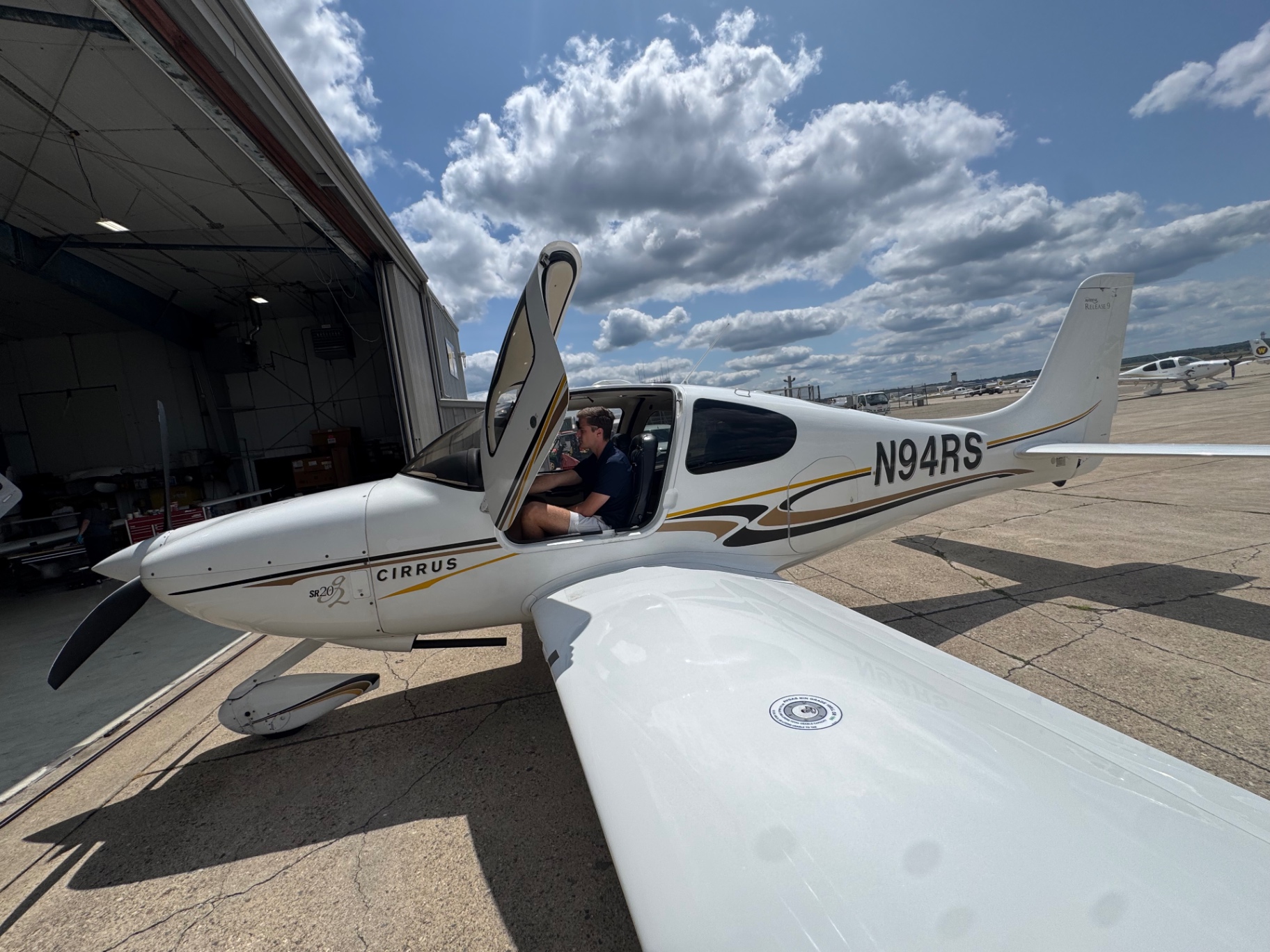
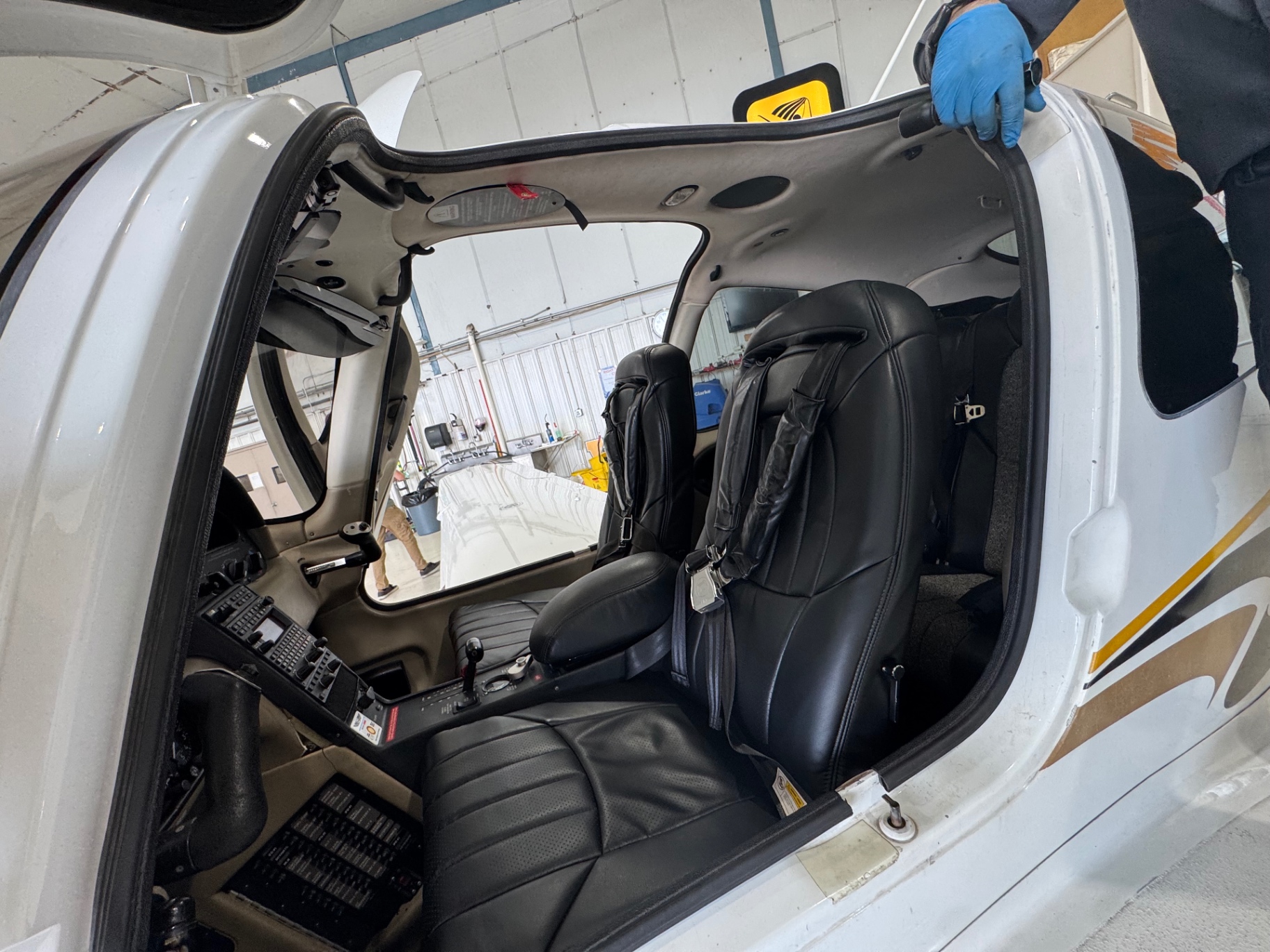
A4Flight trains one-on-one in glass-panel Cirrus SR20s at Denton Enterprise Airport in North Texas. Before you start, an instructor reviews your logbook and builds a plan around what's left. You train with a dedicated instructor, our rates are published, and we don't haggle. We'd rather earn your trust with a clear plan than with a discount.
We're not the right fit for everyone. If you want a large career program with a big cohort, a high-volume school may suit you better. If you want personal training in a modern airplane with someone who knows your flying, we'd be glad to talk.
Choosing a schoolCirrus trainingAccelerated training
