
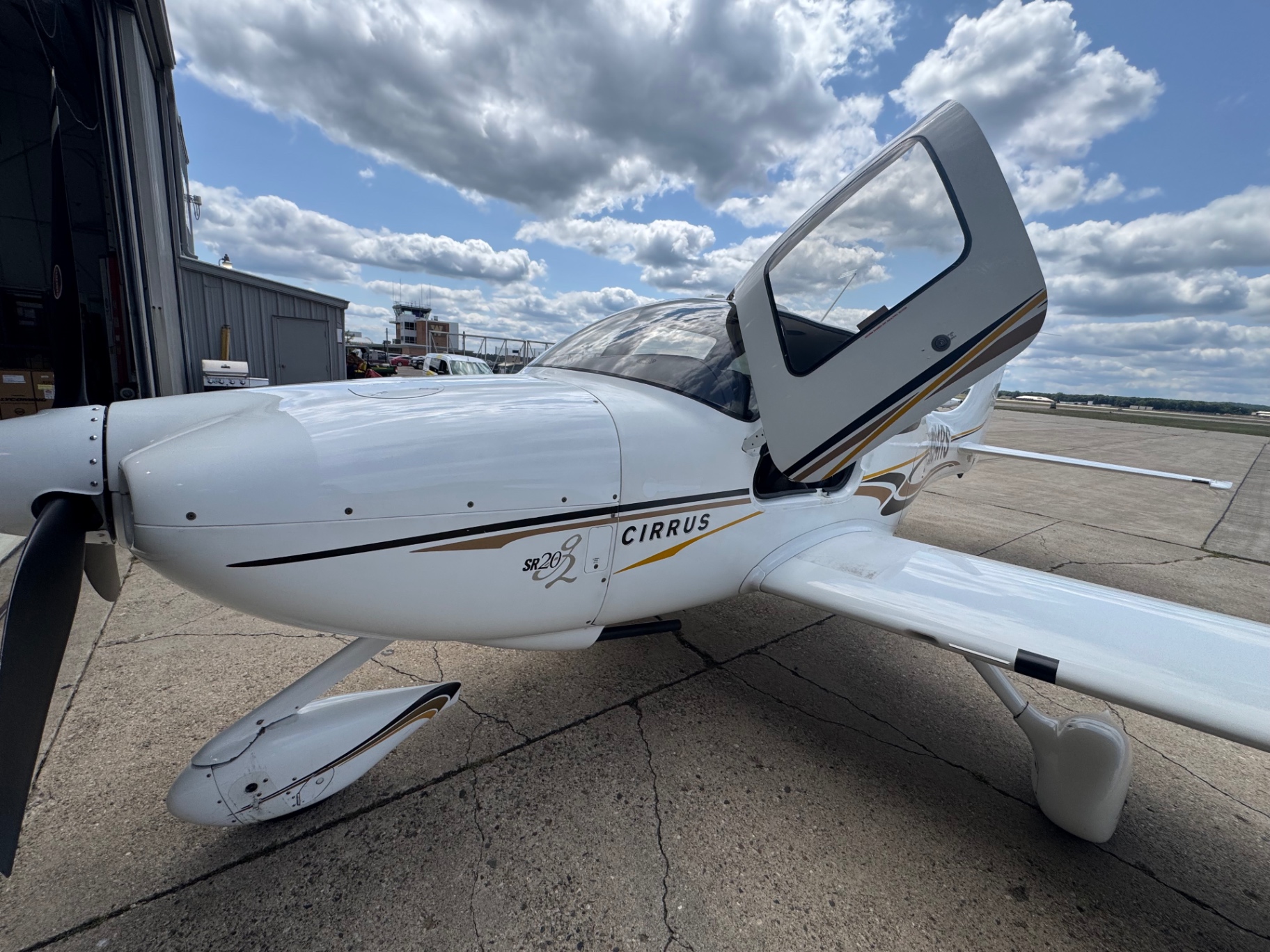
If you're going to travel for flight training, the destination matters as much as the school. The right place makes every day count: you can get there easily, the weather and airspace teach you something useful, and there's a real plan waiting when you land. Denton Enterprise Airport (KDTO), on the north side of Dallas–Fort Worth, checks those boxes. This guide explains why pilots come to Denton for focused Cirrus training, and what a well-run training trip looks like.
Why travel for training at all?
Most pilots don't stall because training is hard. They stall because it's interrupted. A lesson gets cancelled, work gets busy, two weeks pass, and the next flight is spent relearning what you already knew. Repeat that for a year and you've paid for a lot of review.
A focused block flips that around. When you fly most days with the same instructor, skills build on each other instead of fading between lessons. You stay current on procedures, radio work and the airplane itself. For many pilots, especially those finishing a certificate or rating they've already started, a dedicated block away from daily distractions is the most efficient way to get it done.
Easy to reach from almost anywhere
Dallas–Fort Worth International and Dallas Love Field connect the Metroplex with cities across the United States and around the world. Many places have nonstop service, so getting here is usually one flight rather than a long connection. From either airport, Denton is a drive north.
If you own an airplane, you can fly it into KDTO and train in your own aircraft where it fits the plan, or use the trip for a Cirrus transition before you buy. Either way, you don't need to plan around a remote airport with limited travel options.
Airspace that makes you a better pilot
KDTO is a towered Class D airport beneath the DFW Class B airspace, one of the busiest terminal areas in the country. That sounds intimidating, and it's exactly why it's valuable. In a single training block you'll work with tower and approach controllers, sequence with real traffic, fly instrument approaches into nearby airports and learn to plan around complex airspace.
- Clear, confident radio communication in a busy environment.
- Real-world Class B, Class C and Class D procedures, not just textbook diagrams.
- Many nearby airports for approaches, landings and cross-country practice.
- Practice planning around weather, traffic and controller instructions.
Pilots who train in quiet airspace often find their first trip into a big city stressful. Pilots who train around DFW tend to find everywhere else easier.
Weather you can plan around
North Texas has many good flying days, but it isn't a guarantee. Summer brings heat and afternoon storms; winter brings fronts and occasional low ceilings; spring can bring strong storms. We plan around that: early starts in summer, ground lessons and simulator-style briefings when weather moves in, and an honest conversation before you book about building some flexibility into your trip. For instrument students, real clouds and changing conditions are part of the training value.
One instructor, one airplane, one plan
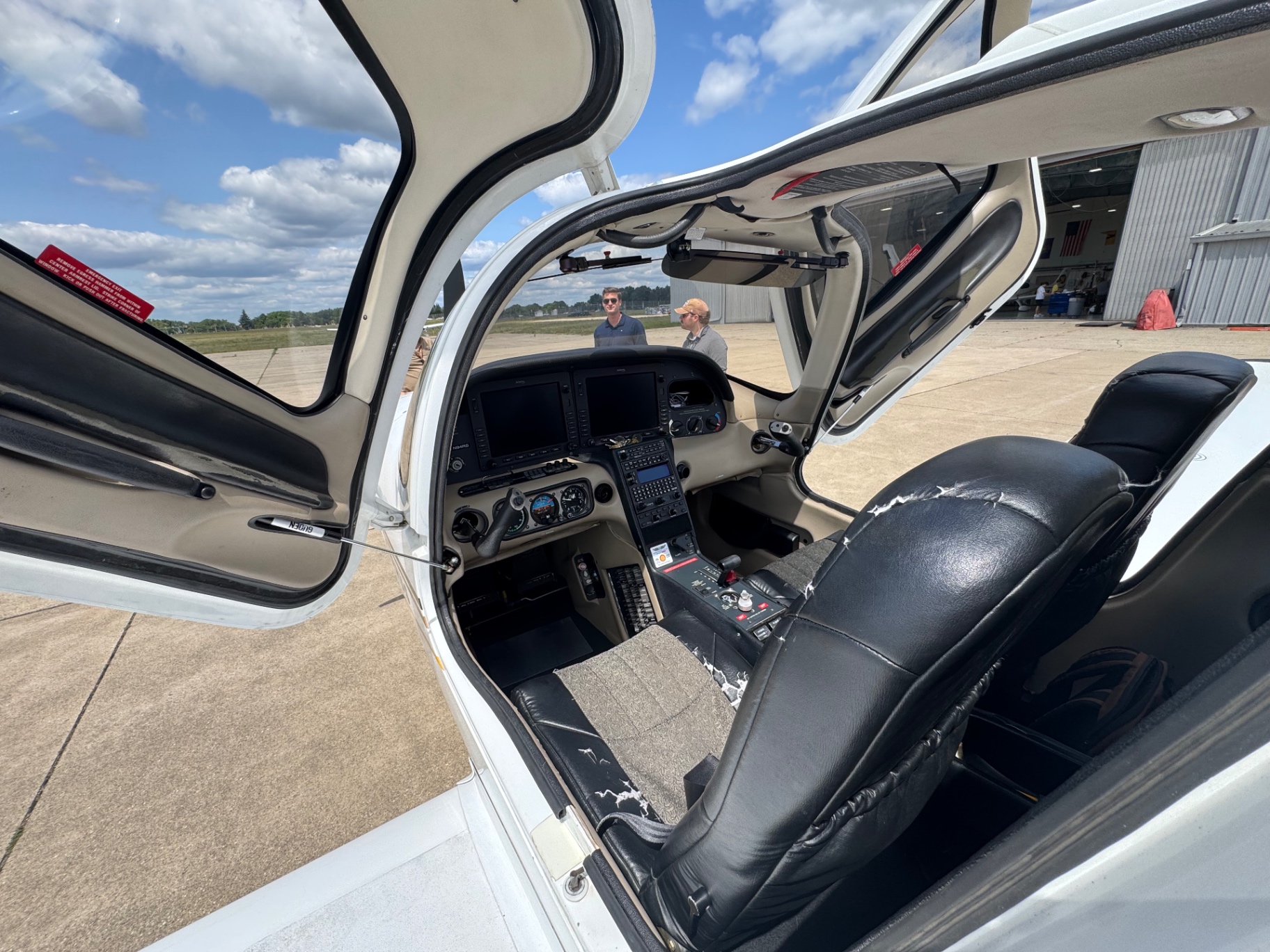
At A4Flight you train one-on-one in a glass-panel Cirrus SR20 with a dedicated instructor. There's no rotating roster of instructors to re-brief, and no large queue for airplanes. Your instructor knows where you are each morning and what needs to happen next.
| What you get | Why it matters on a trip |
|---|---|
| A logbook review before you book | Your days in Texas go into the flying you actually need |
| A dedicated instructor | No time lost re-explaining your progress |
| A glass-panel Cirrus SR20 | Train in the kind of cockpit you'll fly afterward |
| A written plan and budget | You know the schedule and costs before you travel |
| Published, no-haggle rates | No surprises and no negotiating |
What a typical training day looks like
- 1Morning brief: weather, the day's goals and what was learned yesterday.
- 2First flight while conditions are usually at their best.
- 3Debrief, lunch and a ground session on the next lesson's topics.
- 4A second flight or focused study, depending on the plan and weather.
- 5End-of-day review so tomorrow starts where today left off.
The pace is set by your readiness, not a fixed calendar. Some days are full; others leave room to rest, because tired pilots don't learn well.
Who this works best for
- Private pilot students who have logged time and want to finish.
- Instrument candidates ready for a focused block, including the planned 21-day Instrument Intensive.
- Commercial candidates nearing eligibility.
- Pilots moving into a Cirrus who want a proper transition.
- Busy professionals who would rather set aside time once than lose momentum for months.
How to start
Tell us your goal, what you've already completed and how much time you can set aside. An instructor reviews your logbook, explains what to finish at home, and proposes a schedule and budget. Then you book travel with a clear plan.
Cirrus trainingAccelerated trainingDentonDFW
