A4Flight Academy
(940) 432-FLY4
Member loginBook a Discovery Flight
Member login
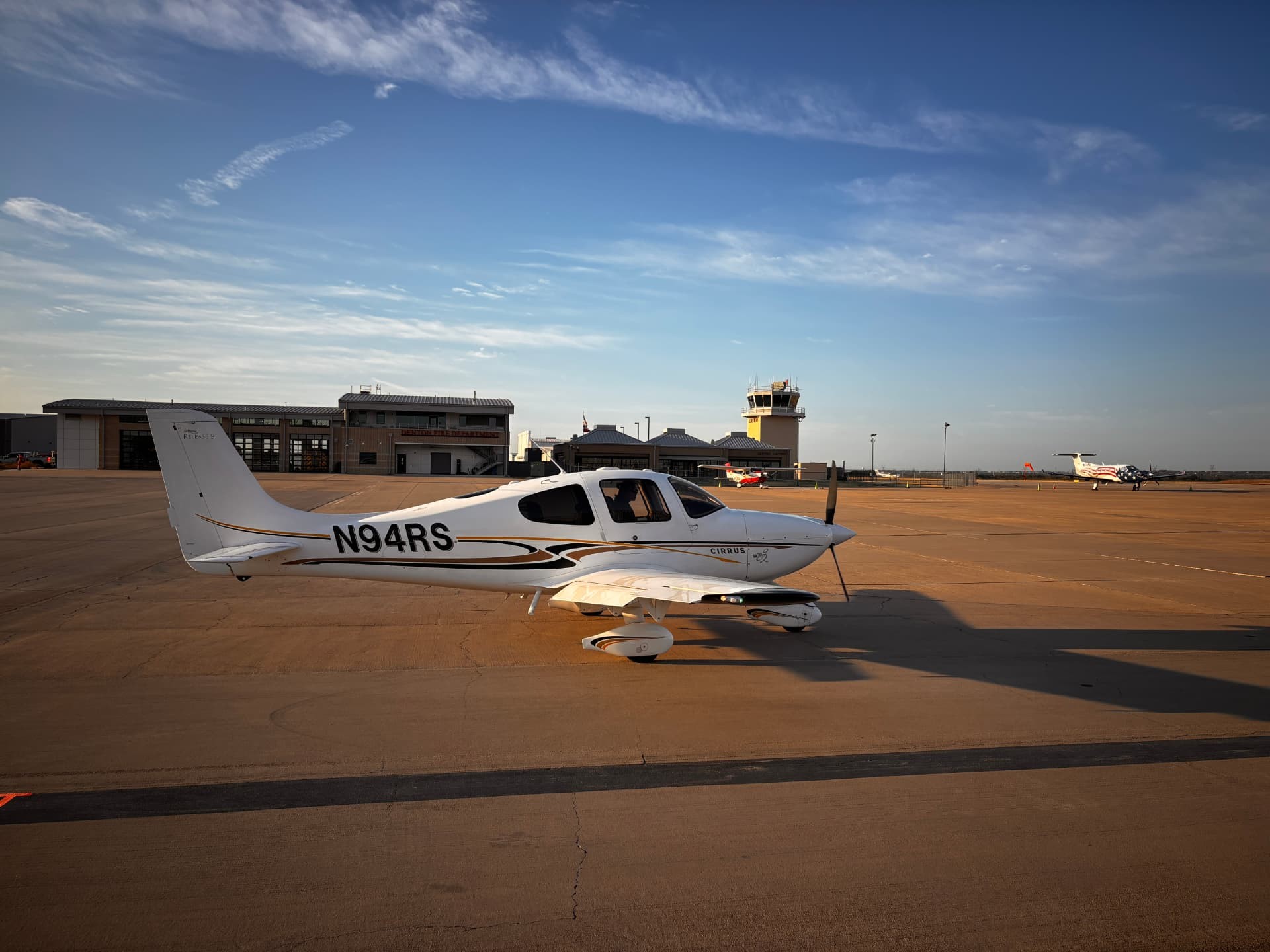
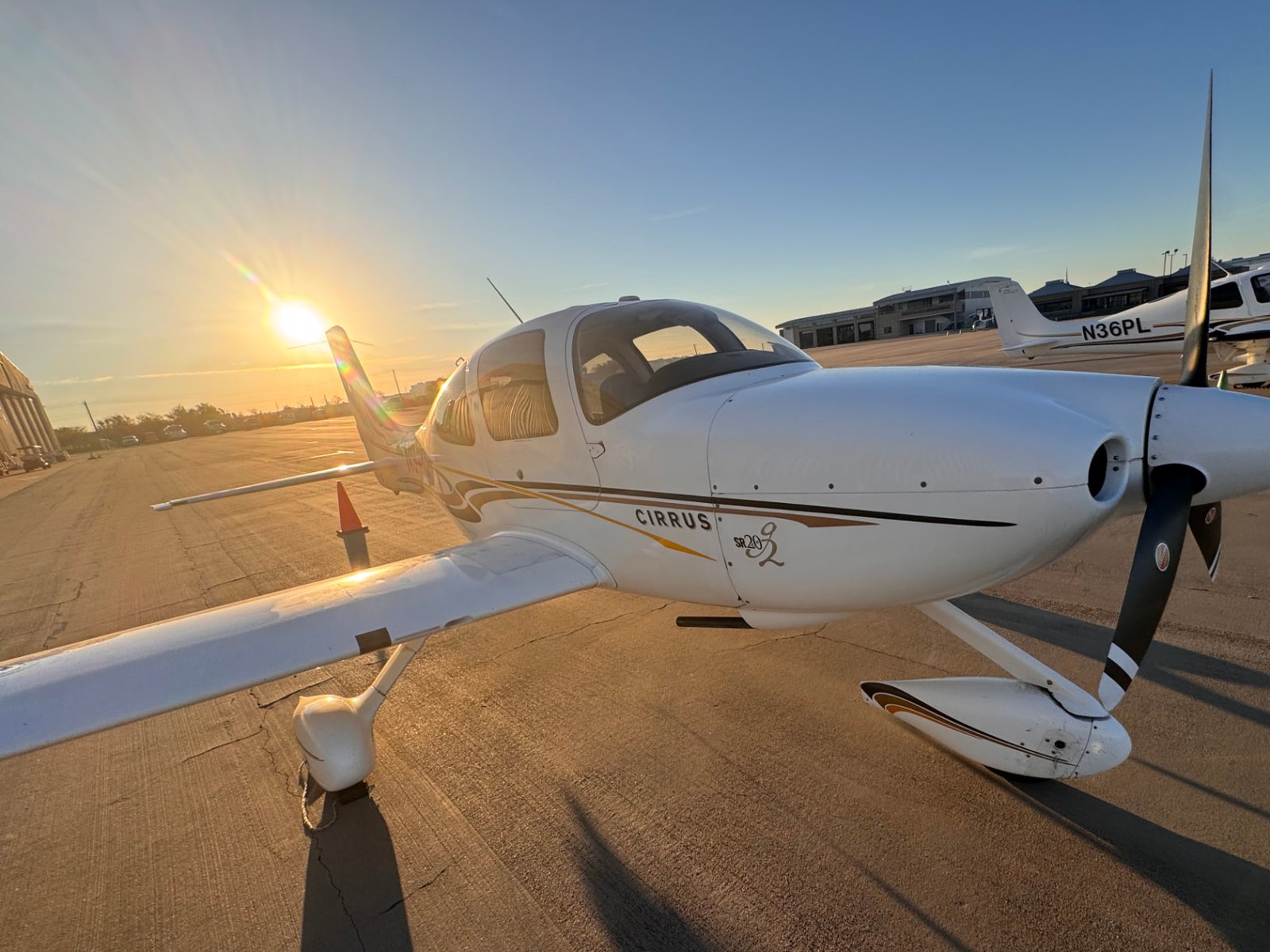
A Cirrus SR20 G2 parked on the ramp at Denton Enterprise Airport in early light, with the tower and hangar behind it.

Accelerated Training · A4Flight

Make time for
your next milestone.

Focused training. A coordinated path to completion.

Focused instructor and aircraft blocks. Preparation before arrival. Progress checkpoints and early checkride coordination. Concierge support included, so your attention stays on the flying.

Part 61 · Cirrus & approved owner aircraft · Sheltair, Denton KDTO

Make a deliberate block of time

Eight starting points. One readiness standard.

Choose your goal. We build a focused plan around your existing experience and the time you can set aside.

Training blocks begin after preparation and assessment. Final completion and checkride dates depend on required experience, proficiency, weather, aircraft and examiner availability.

Choose your program

Target focused training block

14 days

Instrument Intensive

Who it fits
A private pilot ready to concentrate on instrument flying and IFR decision-making.
Before the block
Private pilot certificate, instrument knowledge exam passed, aircraft proficiency and an experience audit; required experience must be completed or realistically achievable within the plan.
Training outcome
Instrument-rating training, integrated IFR proficiency and a target practical-test window.
All eight program details

Private Pilot Intensive · 4–6 weeks

A new student ready to make learning to fly a full-time priority.

Preparation: Eligibility and medical requirements reviewed; preparatory ground school and knowledge exam completed before the block, full-time availability and a readiness assessment.

Outcome: Private pilot practical-test readiness and a coordinated checkride, once experience and proficiency requirements are met.

Private Pilot Finish & Certify · 5–10 days

A student with substantial previous private pilot training who needs a focused finish.

Preparation: A logbook audit and instructor assessment must show that remaining required experience and proficiency gaps can reasonably fit the block.

Outcome: Targeted remaining training, practical-test preparation and a checkride window coordinated around readiness.

Instrument Intensive · 14 days

A private pilot ready to concentrate on instrument flying and IFR decision-making.

Preparation: Private pilot certificate, instrument knowledge exam passed, aircraft proficiency and an experience audit; required experience must be completed or realistically achievable within the plan.

Outcome: Instrument-rating training, integrated IFR proficiency and a target practical-test window.

Instrument Finish & Certify · 5–7 days

A pilot with most instrument training and required experience already complete.

Preparation: Logbook review and an instructor assessment confirm the remaining experience, procedures and practical-test preparation that need attention.

Outcome: Close identified gaps and prepare for the instrument practical test, with early examiner coordination.

Commercial ASEL Intensive · 7–14 days

An instrument-rated private pilot approaching the commercial single-engine milestone.

Preparation: Commercial knowledge exam complete; required experience already completed or achievable within the agreed block, verified by a logbook audit.

Outcome: Commercial maneuvers, remaining qualifying training and practical-test preparation in a suitable aircraft. TAA training applies only where configuration satisfies §61.129(j).

Cirrus Transition & Owner Confidence · 3–5 days

A qualified pilot transitioning to a Cirrus or building confidence in an owner aircraft.

Preparation: Appropriate pilot qualifications, aircraft records, equipment, insurance conditions and training suitability reviewed.

Outcome: Aircraft-specific proficiency, avionics and CAPS decision-making, plus an applicable checkout when standards are met—not a new FAA certificate.

Return to Flying / IFR Refresh · 2–5 days initially

A certificated pilot returning after time away or refreshing existing instrument skills.

Preparation: Existing certificate/rating, logbook and currency review, followed by a tailored proficiency assessment.

Outcome: A flight review, IPC or individualized return plan as appropriate. This is not a new certificate; an endorsement depends on demonstrated proficiency.

Personal Mission Training · 2–4 days

An owner or qualified pilot who wants training around the trips they actually plan to fly.

Preparation: Appropriate qualifications and aircraft proficiency, with proposed routes and personal operating limits reviewed.

Outcome: Practice weather decisions, avionics, trip planning and unfamiliar airports on representative owner missions—not charter service or a new certificate.

Our flagship planning example

Fourteen days, with the groundwork already done.

Instrument Intensive concentrates the core training. Pre-arrival preparation is separate, and instructor progress gates determine what happens next.

  1. 01

    Before arrival

    Readiness comes first.

    Several weeks as needed, outside the 14-day core: audit your logbook, complete the written and ground preparation, review eligibility and qualifying experience, and establish aircraft proficiency. Confirm instructor/aircraft availability and an examiner window.

  2. 02

    Days 1–3

    Build your instrument foundation.

    Scan, aircraft control, instrument procedures and avionics use. Establish the habits that make later workload manageable.

  3. 03

    Days 4–7

    Work through the IFR system.

    Clearances, navigation, holds, approaches and qualifying cross-country training as required. Weather and training conditions determine the actual flights.

  4. 04

    Days 8–10

    Bring the pieces together.

    Integrated scenarios, abnormal procedures, decision-making and workload management. Practice the judgment behind the procedure.

  5. 05

    Days 11–13

    Assess. Refine. Demonstrate.

    Progress assessment, mock oral and flight, targeted practice and a final experience audit. Instructor standards—not the calendar—control readiness.

  6. 06

    Day 14

    Target checkride.

    Target practical test only if endorsed and the aircraft, conditions and independent examiner permit. Otherwise, agree the remaining training and next practical-test window.

Planned rest and recovery belong inside the block; not every day is a flying day. We discuss designated recovery slots and any available contingency time beyond the block. Actual instrument-weather flying depends on suitable conditions.

A different rhythm, when you need it

Concentrated does not have to mean consecutive.

Two focused blocks.

Assigned work and preparation between blocks can fit a calendar that cannot accommodate one uninterrupted stay. Assessment determines the division and remaining work.

Recurring three-day blocks.

Concentrate your attention for a few days at a time with clear preparation between visits. Split-block schedules extend the overall calendar beyond the 14-day core plan.

Preparation is part of the program

Arrive prepared. Make the most of every day.

  1. 01Eligibility and medical requirements, as applicable
  2. 02Certificate, ratings and qualifying logbook experience audit
  3. 03Knowledge exam complete for the applicable certificate/rating block
  4. 04Preparatory ground school and assigned study
  5. 05Aircraft proficiency and suitability review
  6. 06Uninterrupted time—or an agreed split-block calendar

Your CFI applies stage gates against the applicable standards. Required experience and proficiency are not reduced by an intensive schedule.

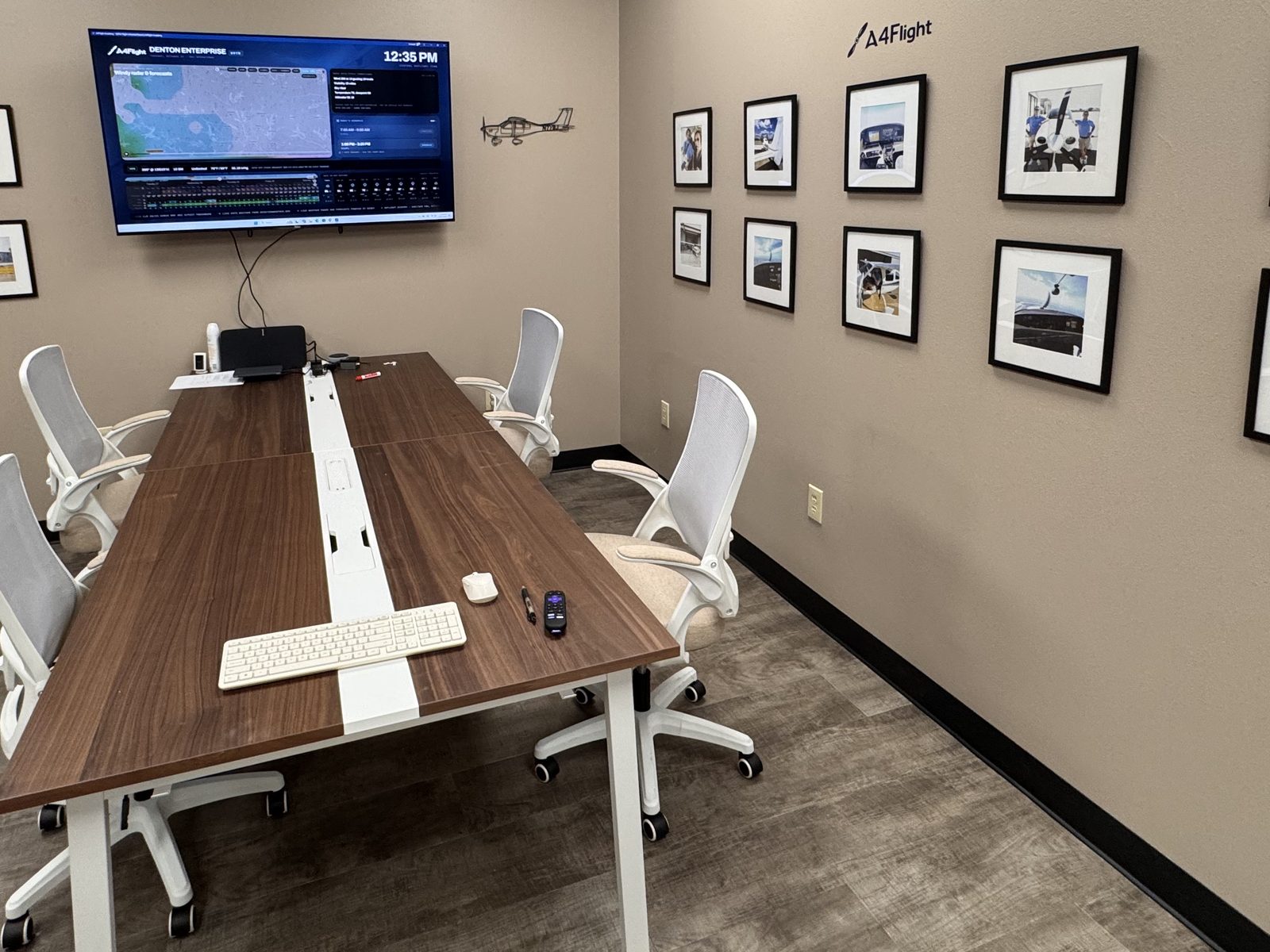
The A4Flight briefing room at Sheltair: conference table, wall-mounted flight board, A4Flight lettering and a wall gallery of club photos.
Preparation and debriefing at A4Flight, Sheltair KDTO.

The FAA requirements stay the same.

Ordinary Part 61 airplane instrument training requires 50 qualifying PIC cross-country hours and 40 hours of actual or simulated instrument time, plus the specified training and experience. Commercial ASEL ordinarily requires 250 total hours and the specified experience. Your instructor audits the complete applicable requirements and any relevant exceptions.

FAA requirements & sources · reviewed October 2026

Concierge coordination included

Focus on the flying. Keep the plan connected.

A coordinated plan, agreed priority blocks, primary instructor continuity, progress checkpoints, paperwork and early checkride logistics. Your plan confirms travel, local arrangements and available backup support.

Train with A4’s Cirrus fleet in Denton, or explore a suitable private aircraft and on-location delivery by arrangement. Concierge is the personal support around the intensive block.

See Concierge Training & delivery options

From our flights

This is what we come here for.

Our aircraft. Our flying. A few moments from the ramp to the runway.

Cirrus N94RS on the ramp with the Denton control tower behind it
N94RS, at home in Denton.
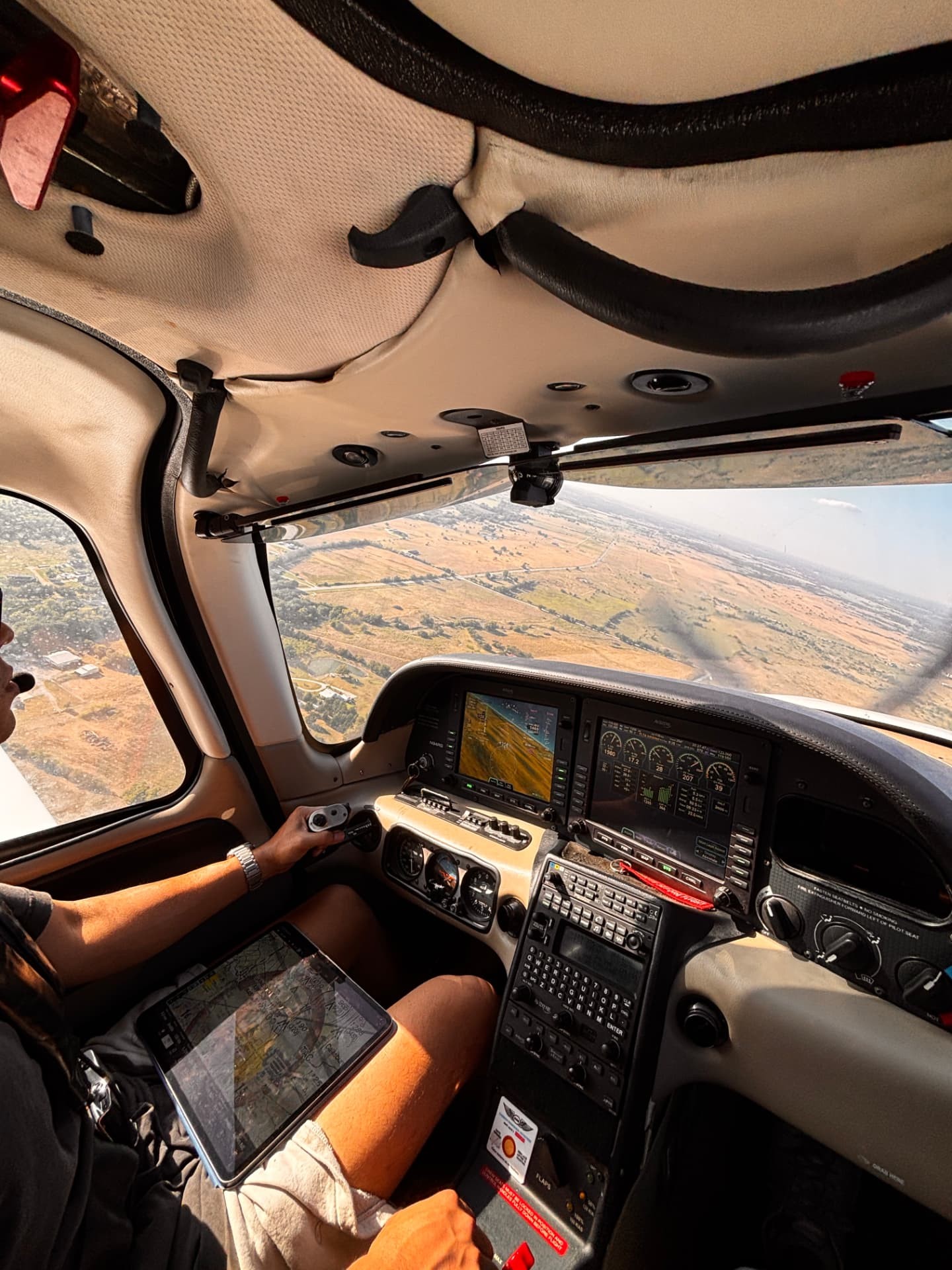
Pilot at the controls of a Cirrus with the glass cockpit and landscape in view
A different perspective from the cockpit.
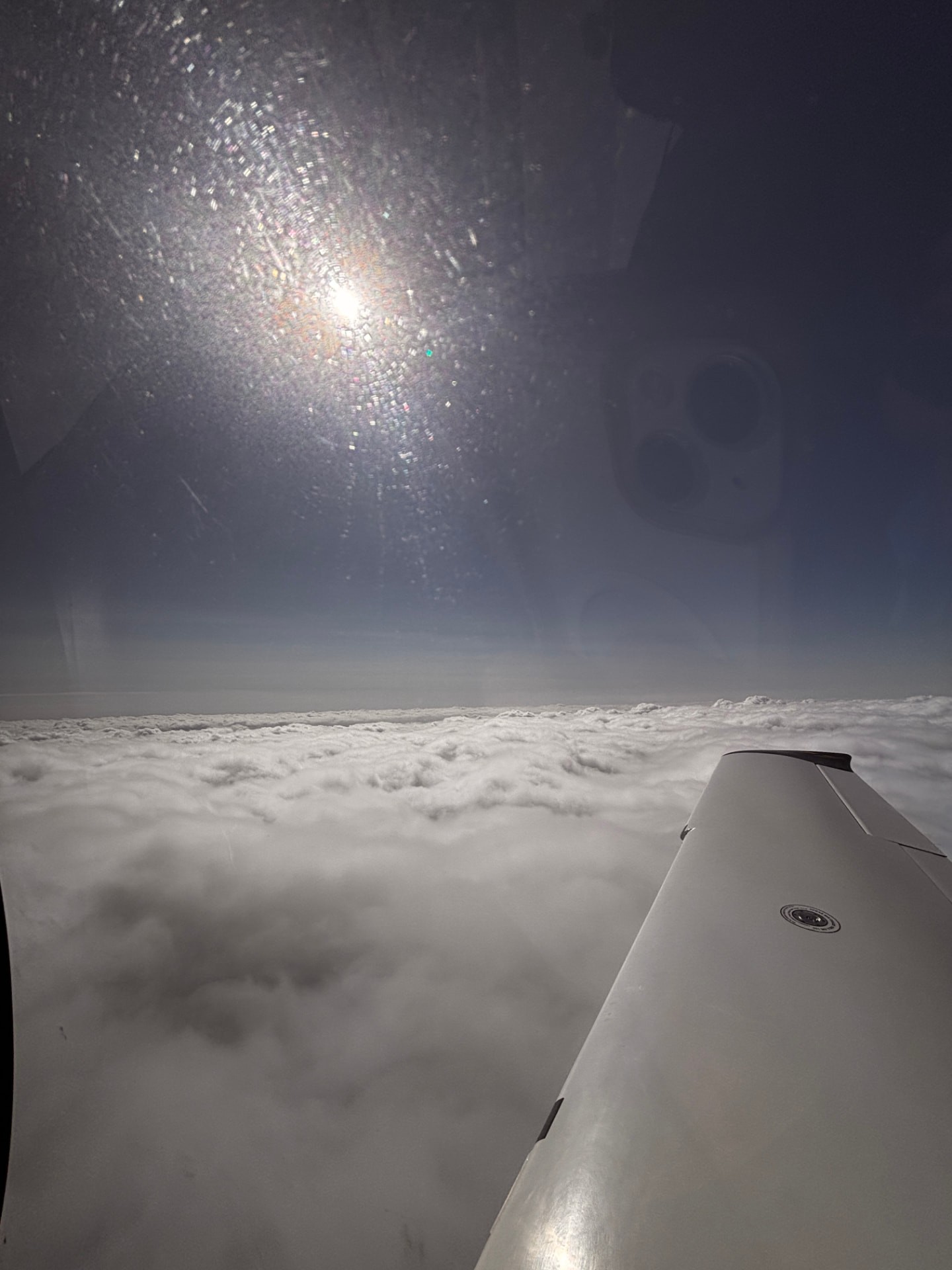
Cirrus wing above a layer of clouds, photographed through the cabin window
A view worth coming back for.

From the front seat

The runway comes into view.

An approach, filmed from the cockpit of our Cirrus N36PL.

On approach · N36PL

Good questions

Know what to expect.

What must be done before arrival?

Your instructor reviews eligibility, medical requirements as applicable, certificate and logbook, knowledge exam, ground preparation and aircraft proficiency. A readiness assessment determines whether the proposed block fits. Preparation may take several weeks and is outside the core training block.

Can I split a program into blocks?

Yes, where assessment supports it. Two concentrated blocks with assigned work between, or recurring three-day blocks, can be planned. The overall calendar is longer; these are not the same as a 14-day elapsed instrument plan.

Will my prior hours count?

A logbook and experience audit identifies qualifying prior experience and remaining requirements. Not every hour meets every requirement. Your instructor confirms the gaps and preparation needed before dates are agreed.

Can training take place at my airport?

A suitable owner aircraft or instructor-plus-aircraft positioning can be explored by arrangement. Aircraft, location, insurance, records and maintenance support are reviewed. See Concierge Training for the delivery options.

What if weather, maintenance or readiness delays us?

The plan includes rest and recovery rather than forcing consecutive flying days. Agreed recovery slots and possible contingency availability beyond the block are discussed, not guaranteed. If progress or conditions require more time, agree the next steps and revised dates. Actual IMC is not promised.

Is a checkride booked or guaranteed for the last day?

No. We coordinate an independent examiner window early, but readiness, endorsements, aircraft, weather and examiner availability determine the practical-test date. Training blocks and checkride dates are planning targets, not guarantees.

Does every program earn a new certificate or rating?

No. Private, instrument and commercial programs work toward the applicable practical test. Cirrus transition, personal missions, flight reviews and IPCs focus on proficiency or an applicable checkout/endorsement; they do not create a new certificate. Endorsements depend on standards being met.

How do fees work?

Your written proposal sets out coordination, instruction, aircraft and any agreed travel or local arrangements. Standard training has no required deposit; any terms for reserved premium services are provided before confirmation.

A conversation before a commitment

Make a plan for the time you have.

Tell us your goal, experience, location and available dates. We will review readiness, delivery options and a written scope together—before confirming training time.

Your written plan confirms scope, dates and delivery arrangements after assessment. Standard training has no required deposit.

CallTextBook a Discovery Flight

We use necessary cookies to run the site. With your okay we also use marketing cookies to measure how well our ads work. Privacy policy