
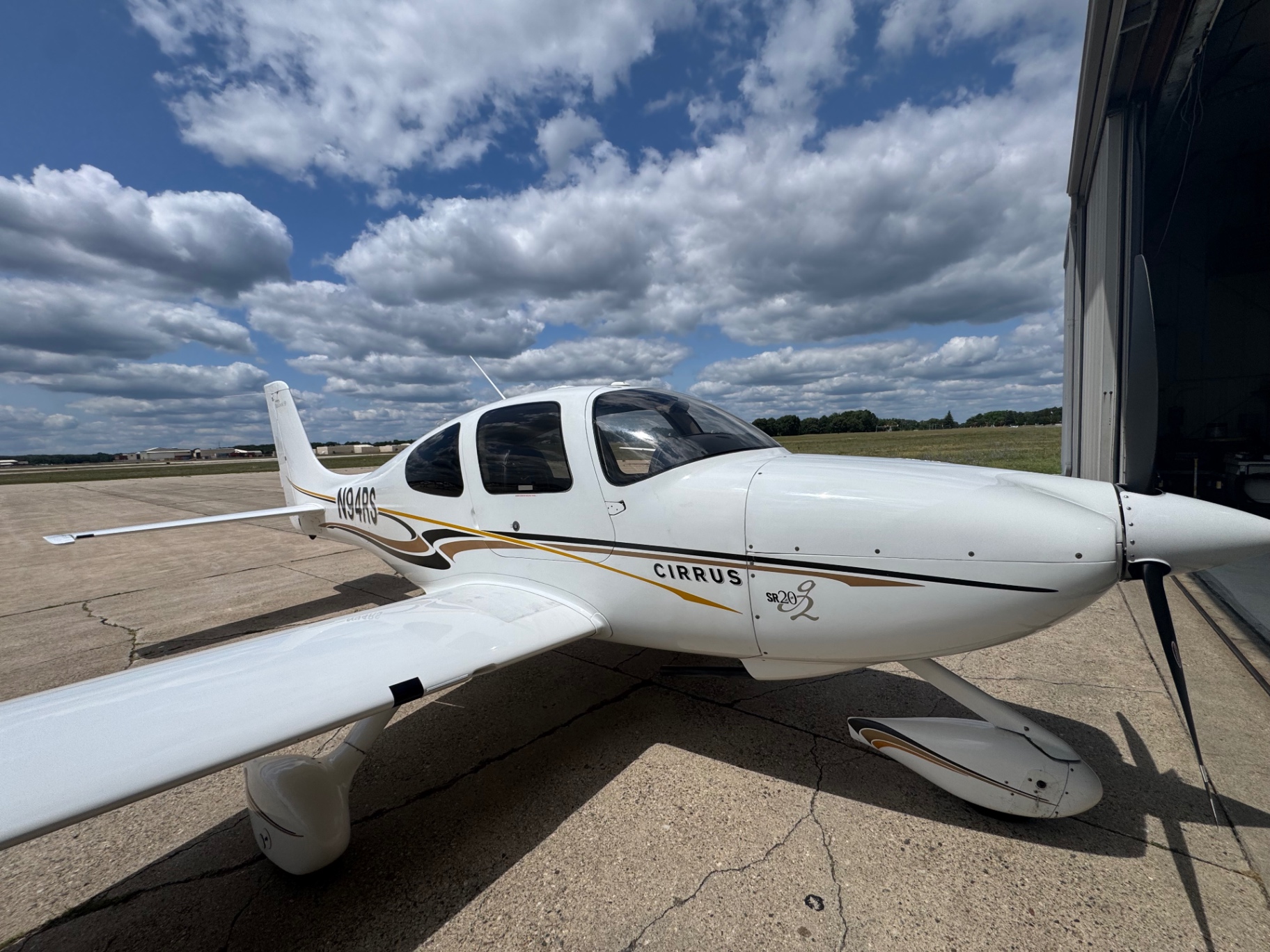
The airplane may look good on the ramp. The instructor may be personable. The hourly rate may even look attractive. Before you commit, ask what stands behind each lesson and who is accountable for your training.
An independent certificated flight instructor can provide excellent instruction. If you’re taking time off or traveling to finish a certificate or rating, an organized training operation should also explain how it handles your progress, maintenance, scheduling and records when plans change.
Part 141 schools hold an FAA pilot-school certificate and offer FAA-approved courses. Part 61 allows flexible training with qualified independent instructors and organized flight schools. If a provider advertises Part 141 training, ask which approved course applies to your enrollment.
Seven questions before you commit
1. Who am I contracting with?
Ask for written rates, cancellation terms and any deposit or refund policy. Know who your agreement is with and who can answer questions about charges or changes before you commit.
2. Who maintains the aircraft?
Ask how you can verify current required inspections and how mechanical discrepancies are reported and resolved. The 100-hour inspection rule in 14 CFR 91.409(b) generally applies when the person giving flight instruction for hire provides the aircraft, subject to applicable exceptions.
3. What does insurance cover?
Ask about the aircraft you will use for dual instruction, rental and solo, as applicable, and what renter coverage or deductible exposure you have. Request an explanation of the coverage and your responsibilities rather than assuming every type of flying is covered in the same way.
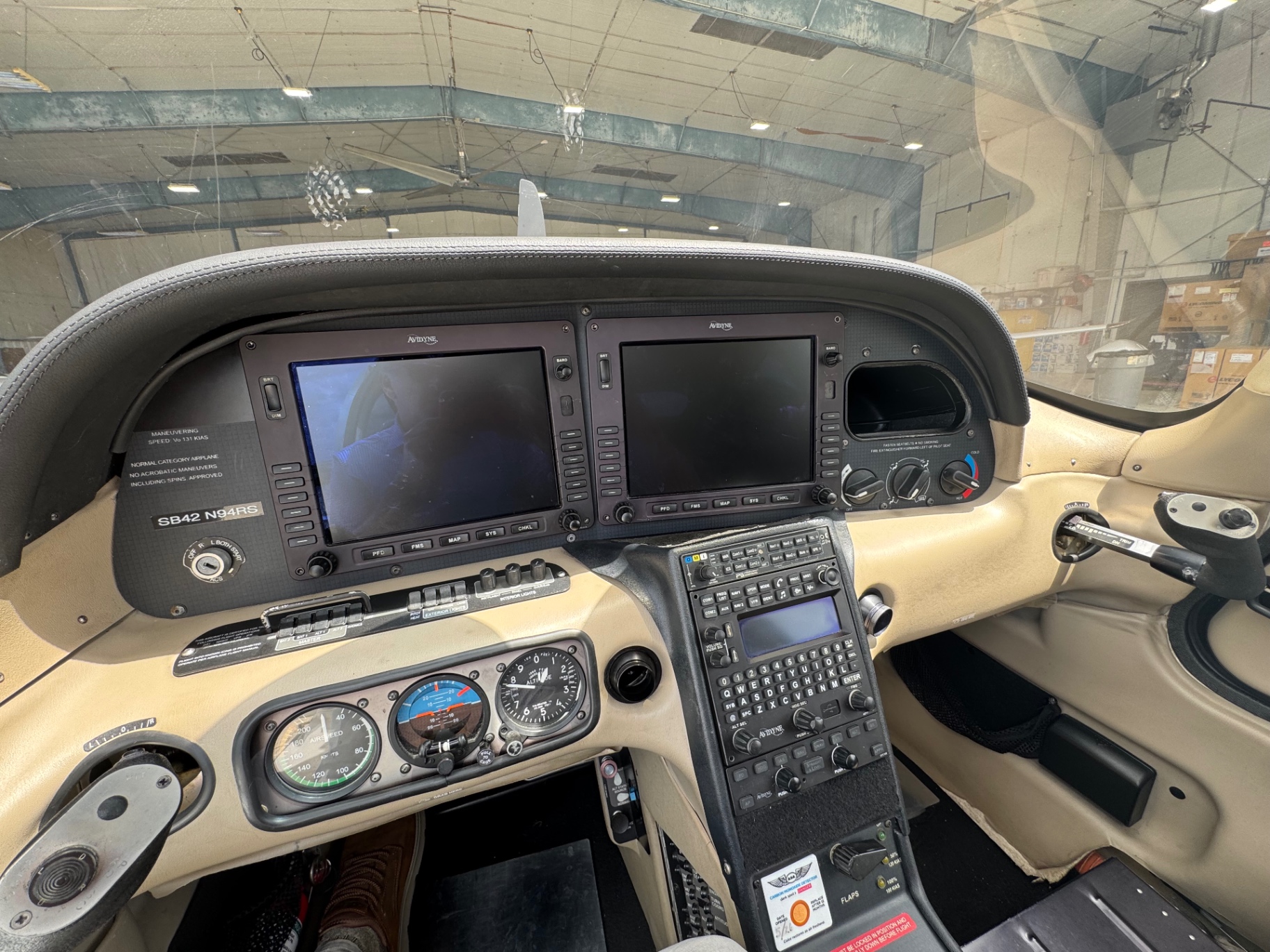
4. Who will teach me?
Ask about instructor privileges for your training, who handles endorsements, and how the syllabus, progress and instructor handoffs are documented. If instructors change, understand how the next instructor will review what you have accomplished and what needs more work.
5. How do you handle student eligibility?
Ask about citizenship or nationality verification and applicable TSA vetting for covered training under 49 CFR Part 1552. Understand which requirements apply to your training and what documentation or vetting must be completed before it begins.
6. What happens if an aircraft or instructor is unavailable?
Ask how scheduling, training records and next steps are handled during maintenance, weather delays or instructor changes. If you are traveling, discuss how a change affects the proposed training block before you book travel.
7. How will we decide I’m ready?
Ask about lesson objectives, debriefs, proficiency milestones and checkride coordination. Discuss how weather, fatigue and readiness affect go/no-go decisions. A calendar target should not replace a candid assessment of proficiency.
Plan your next step with A4Flight
A4Flight offers one-on-one Part 61 Cirrus training in Denton, Texas. If you’re traveling to finish a certificate or rating, request a training assessment so we can review your experience, discuss what remains and outline a training block before you book travel.
Choosing a flight schoolPart 61Part 141Training readiness
