
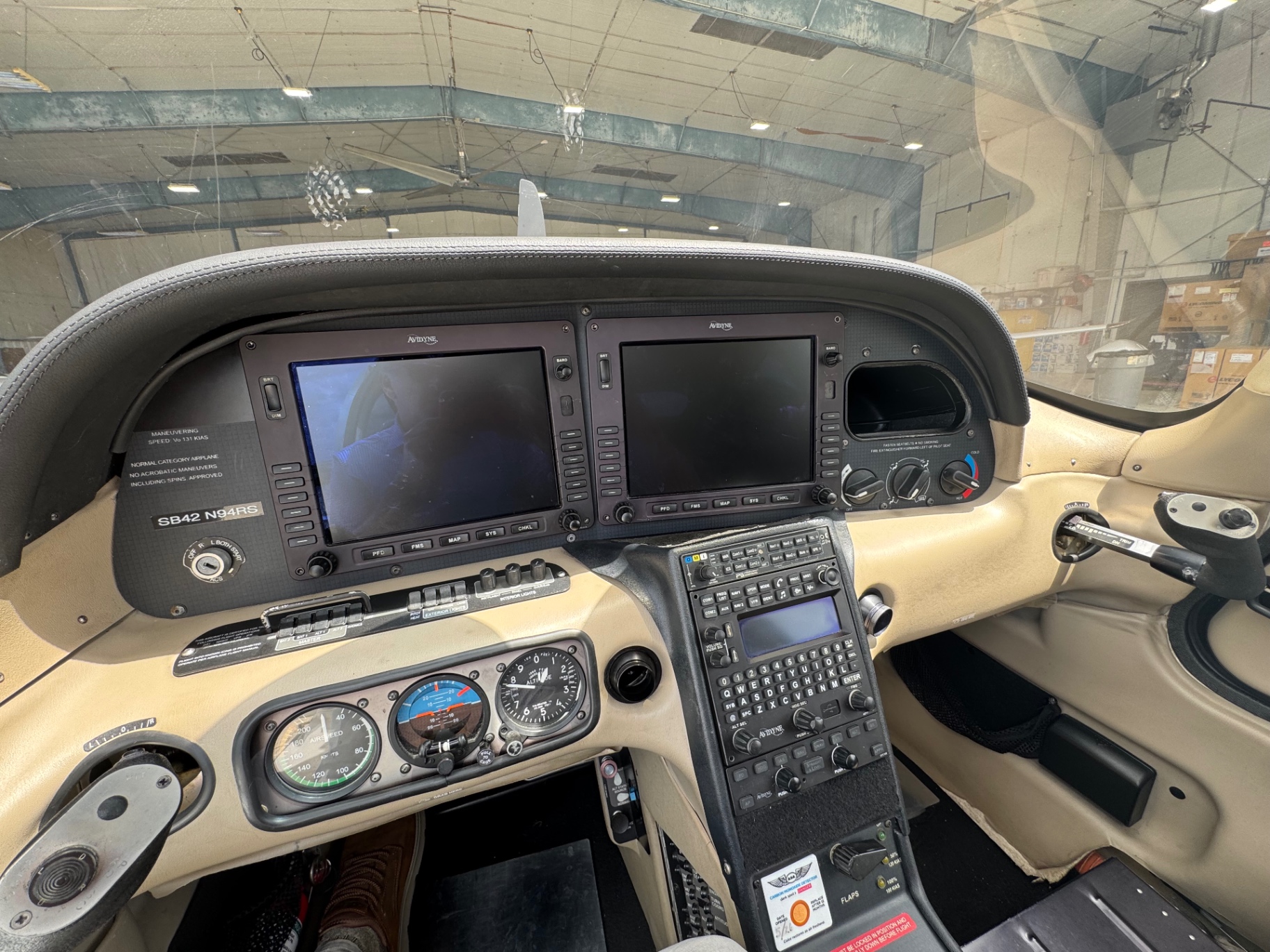
Many pilots learn to fly in older trainers with round-dial instruments, then move into a modern airplane and find themselves relearning the cockpit. Training in a glass-panel Cirrus SR20 from the start puts that time into skills you'll keep. This article explains what's different in a Cirrus, what it means for your training, and what to watch for so the technology helps you rather than replacing good airmanship.
Classic trainers still teach the basics
Older trainers have produced generations of good pilots, and stick-and-rudder skills are the same in any airplane. The question isn't whether you can learn in an older trainer. It's whether the cockpit you learn in matches the cockpit you'll fly after training. If you plan to fly a modern airplane for travel, owning or renting, learning in one avoids a second learning curve.
What's different in the Cirrus SR20
- An integrated glass cockpit, with flight instruments, navigation and engine information on large displays.
- Moving-map navigation that shows airspace, terrain and your position at a glance.
- An autopilot and automation that you learn to use as part of good decision-making.
- The Cirrus Airframe Parachute System (CAPS), with training on when and how to use it.
- A comfortable, capable airplane for real cross-country trips after training.
Situational awareness, taught properly
A moving map makes it easier to know where you are relative to airspace, terrain and airports. That's a real safety benefit, especially in busy airspace like Dallas–Fort Worth. But it's only valuable if you also understand what you're looking at. We teach pilots to cross-check, brief, and build a mental picture first, then use the displays to confirm it.
Automation is a skill, not a shortcut
Autopilots don't make pilots less skilled. Poorly managed autopilots do. In a Cirrus, you'll learn to hand-fly with precision and to use automation deliberately: knowing which mode is active, what the airplane will do next and when to take over. That's the same discipline used in professional cockpits, and it matters most on instrument flights and long trips.
CAPS: a decision, not a reflex
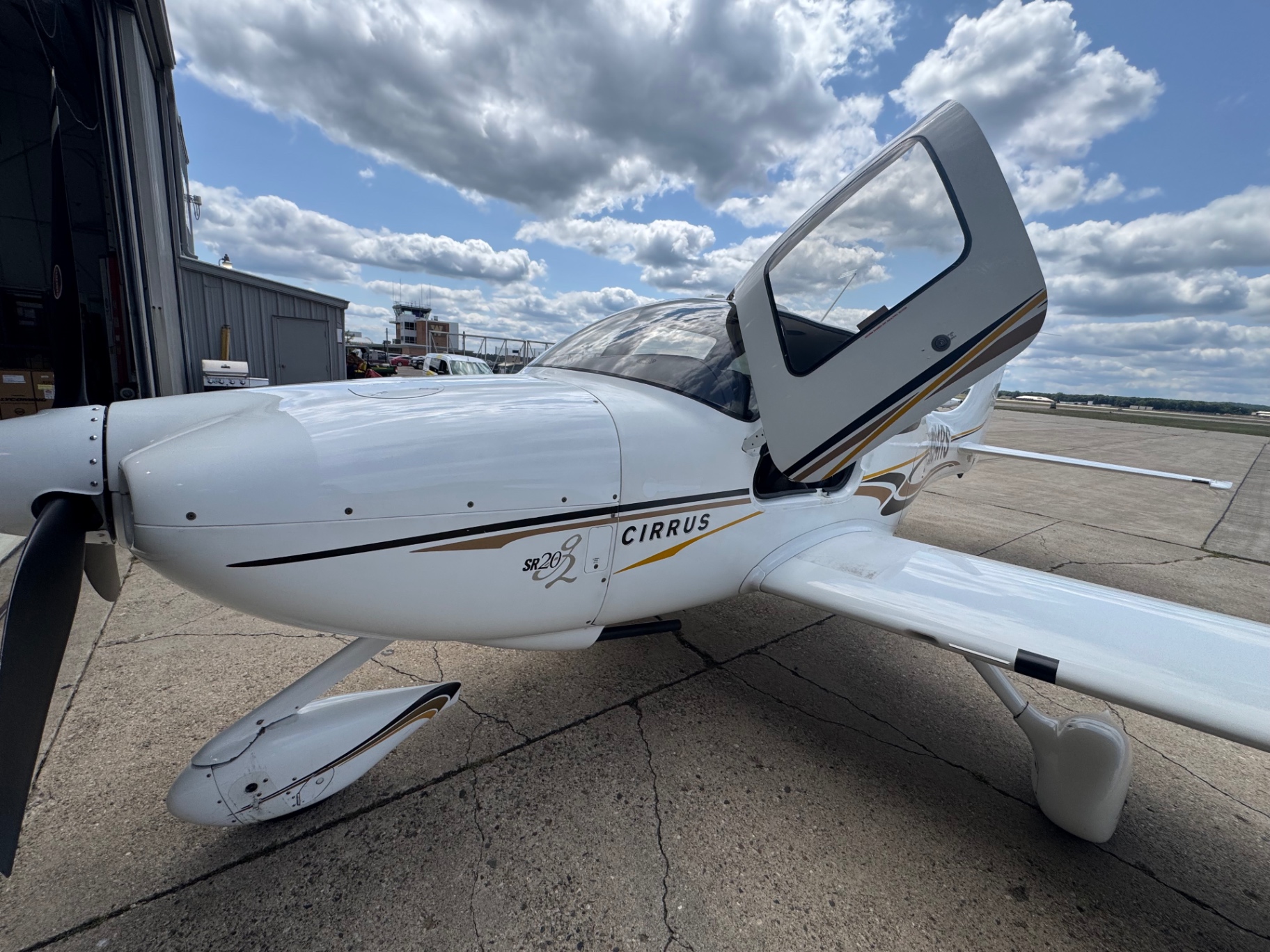
The Cirrus Airframe Parachute System is one of the airplane's defining features. Training covers the scenarios where using it may be appropriate, the altitudes and situations involved, and how to brief it before every flight, so the decision is made with a clear head rather than in a moment of surprise.
Glass cockpit pitfalls to avoid
- Heads-down flying. Keep your eyes outside in visual conditions; the screens support you, they don't replace looking.
- Button-pushing under pressure. Set up before you need it, and know the few functions you'll use most.
- Over-trusting automation. Always know what mode you're in and be ready to fly by hand.
- Skipping fundamentals. Partial-panel and basic attitude flying still matter.
Comparing the two paths
| Older round-dial trainer | Glass-panel Cirrus | |
|---|---|---|
| Instrument scan | Several separate gauges | Integrated primary flight display |
| Navigation | Charts and separate radios | Moving map with airspace and terrain |
| Automation | Often limited | Autopilot taught as a core skill |
| After training | May need a second transition | Ready for modern travel aircraft |
Cirrus transition for pilots who already fly
If you already hold a certificate, a Cirrus transition block covers the avionics, systems, flows and CAPS decision-making, then a checkout when standards are met. It isn't a new FAA certificate, but it's the right start for a new owner or renter. Many pilots combine it with a trip to Denton, so they can focus on the airplane without home distractions.
Instrument training in a glass cockpit
Instrument training is where a modern panel pays off most. You'll learn approaches, holds and en-route procedures using the same type of equipment you'll use in real IFR flying, while still being drilled on raw-data skills and what to do if a display fails.
Cirrus trainingAvionicsCirrus transition
