
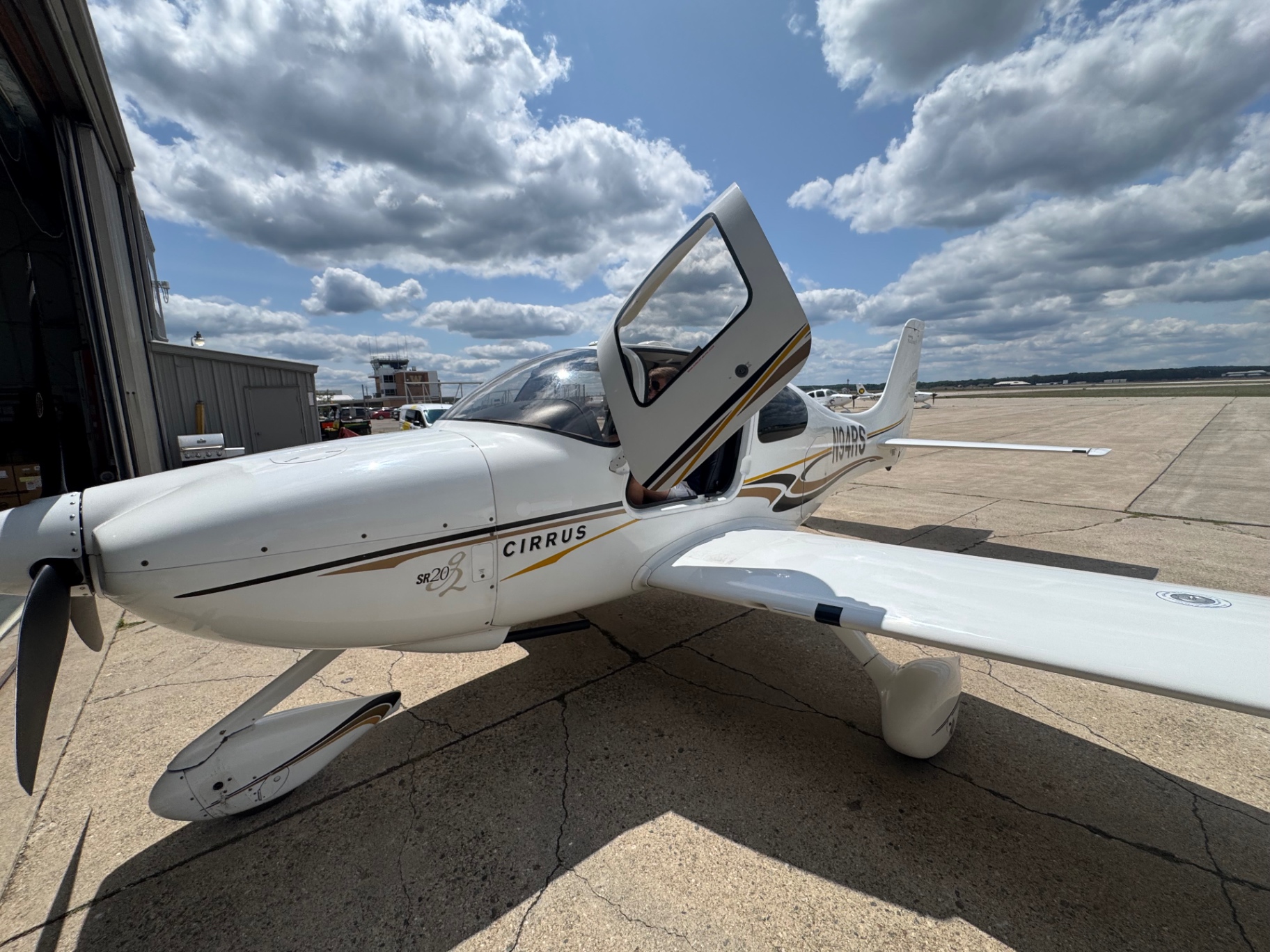
A4Flight's Instrument Intensive is a planned 21-day (three-week) training block after pre-arrival preparation and assessment. Three weeks is a meaningful commitment of time and money, so the planning you do before you arrive makes the biggest difference. This guide walks through what to finish at home, what to bring, how the three weeks are typically organized and how to handle the things you can't control.
Is a three-week block right for you?
An intensive works best for pilots who hold a private pilot certificate, fly reasonably current and can set aside uninterrupted time. You'll fly often and study every day. If your schedule allows only occasional lessons, a spread-out program may suit you better. If you've already completed much of your instrument training, ask whether the shorter finish-up option fits your experience instead.
Finish these before you fly in
- 1Pass the FAA instrument knowledge test, so the block can focus on flying and checkride preparation.
- 2Send us your logbook details, including instrument time and cross-country experience, so we can review your eligibility.
- 3Get current and comfortable with your private pilot skills, especially basic attitude flying.
- 4Study the instrument procedures and charts you'll use, and review the Instrument Rating Airman Certification Standards.
- 5Agree on the proposed schedule, budget and how weather days and delays will be handled.
What the logbook review is for
The instrument rating has specific experience requirements, including cross-country time and instrument time. Your instructor reviews your logbook before you book travel to confirm what you've already met and what still needs to be logged. That review shapes the plan, so you don't arrive expecting to finish something that requires more time.
How the three weeks are usually organized
| Phase | Focus |
|---|---|
| Week 1 | Cockpit setup, attitude instrument flying, holds, navigation and early approaches |
| Week 2 | Approaches of different types, cross-country IFR flights, partial-panel and abnormal scenarios |
| Week 3 | Polishing to standards, practice checkrides and checkride preparation |
This is a typical outline, not a fixed schedule. Your instructor adjusts the pace to your progress, weather and aircraft availability, and some topics move between weeks.
A realistic daily rhythm
- A morning brief covering weather, the day's procedures and goals.
- One or two flights, depending on the plan, weather and how you're absorbing the material.
- Ground sessions on procedures, regulations, charts and systems.
- Evening review and preparation for the next day.
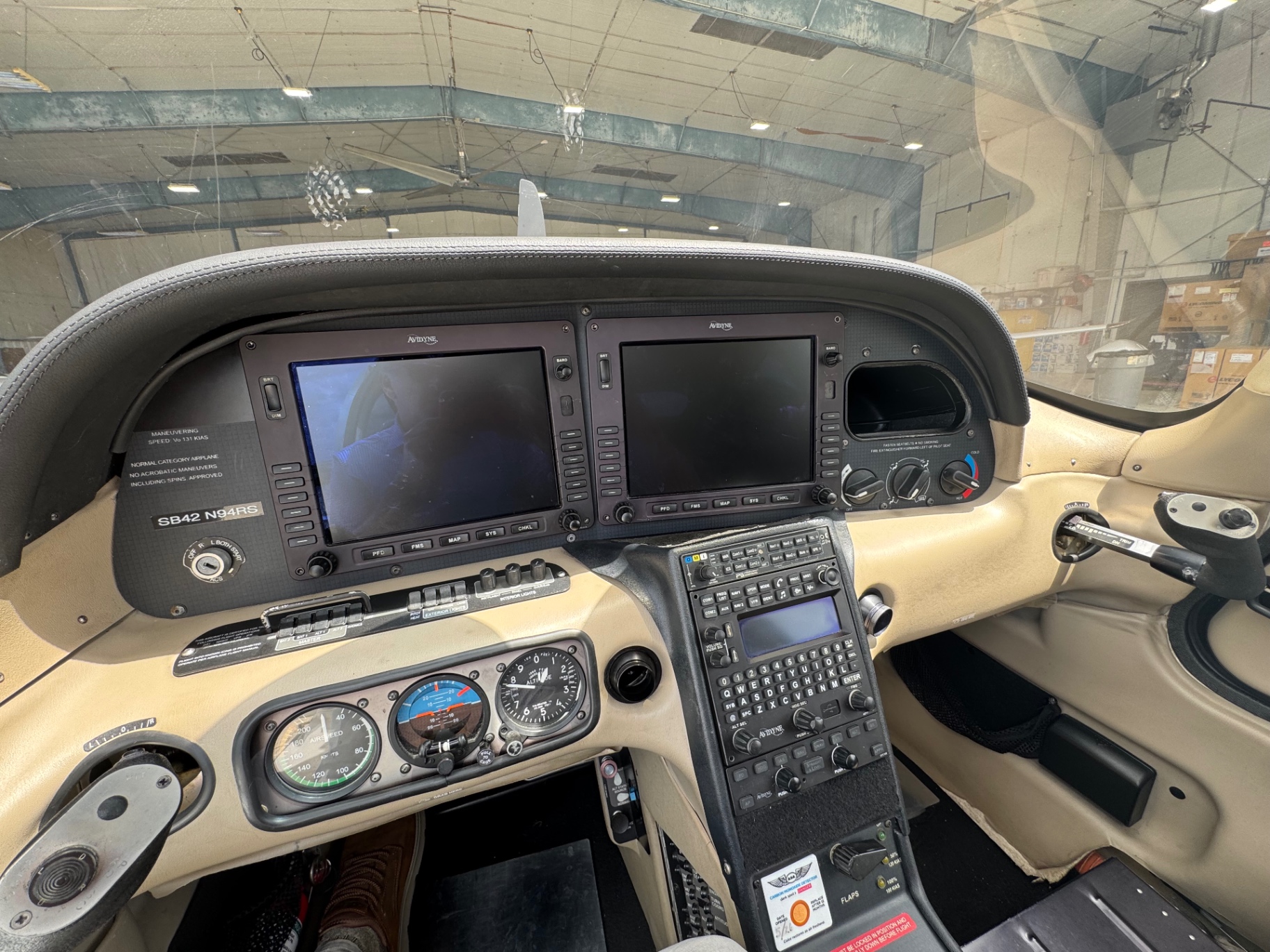
Instrument training is mentally demanding. Rest is part of the plan, and an honest instructor will slow the pace if fatigue is affecting your flying.
What to bring
- Pilot certificate, medical (as applicable), government ID and logbook.
- Your knowledge test report.
- Headset and a view-limiting device.
- A tablet with your preferred flight app and current charts.
- Comfortable clothes for hot or cool weather, depending on the season.
- A flexible return date, if you can, for weather and examiner timing.
Where to stay and getting around
Denton and the nearby north-DFW suburbs have a range of hotels and restaurants. Choose somewhere with an easy morning drive to KDTO, and plan on a rental car or reliable transportation. Early starts are common, especially in summer, so a short commute makes the days easier.
Weather, maintenance and the checkride date
North Texas weather changes by season, and instrument training benefits from real conditions. Still, storms, icing risk and strong winds can cancel flights. Airplanes need maintenance, and examiner availability can affect the checkride date. We talk through these possibilities before you book and plan how to use weather days productively.
Budgeting for the block
Your plan includes an estimate based on aircraft time, instruction and ground training at our published rates, plus items like the examiner's fee and your own travel and lodging. Ask what's included and what's billed separately so there are no surprises.
Questions to ask before you commit
- 1What does my logbook review show I still need?
- 2Which aircraft will I fly, and how is it equipped?
- 3How many flights per day do you plan, and how flexible is that?
- 4How will weather days be used?
- 5What happens if I'm not ready by the end of the 21 days?
Instrument ratingAccelerated trainingDenton
