
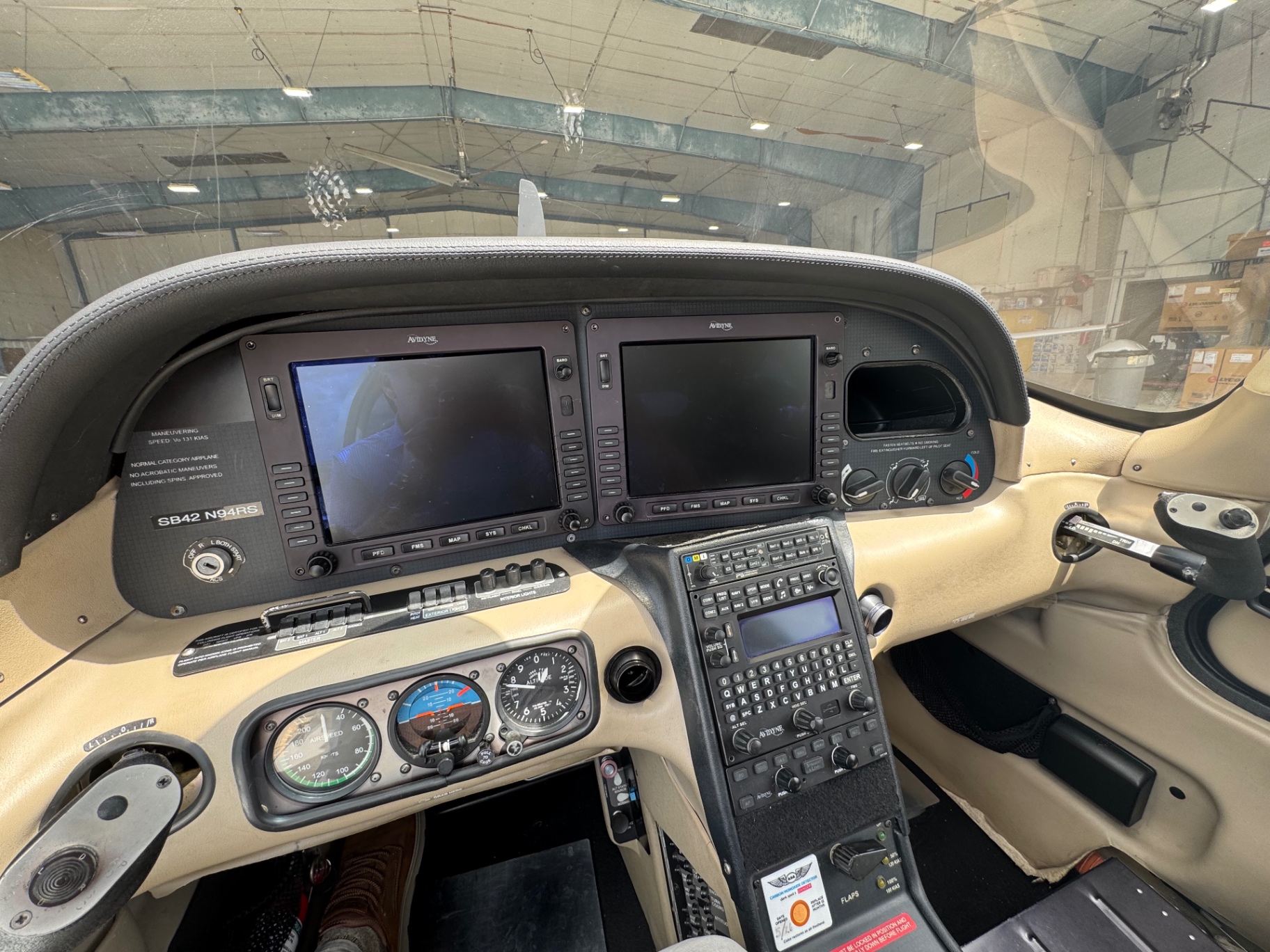
Denton Enterprise Airport has associated Class D airspace that sits beneath the Dallas–Fort Worth Class B. The FAA says it plainly on its own Denton page: pilots headed for Denton need to thoroughly understand the rules and requirements for operating in that kind of layered airspace. That's not boilerplate — it's the single most common source of trouble for pilots new to the field.
Know these before you start the engine
| Item | Value |
|---|---|
| Identifier | KDTO / DTO |
| Field elevation | ≈643 ft MSL |
| ATIS | 119.325 |
| Denton Tower | 119.95 |
| Ground / Clearance Delivery | 123.95 |
| ARTCC | Fort Worth Center |
| Airspace | Class D, underlying DFW Class B |
The Bravo shelf is the part that bites
Departing KDTO to the south or southeast, the DFW Class B floor steps down over you as you get closer to the primary airports. A climb that feels perfectly reasonable in uncontrolled airspace can put you inside the Bravo without a clearance. Two habits solve it: know the floor altitude for the sector you're crossing before takeoff, and level off below it until you have an explicit clearance into Class B — "radar contact" is not a clearance.
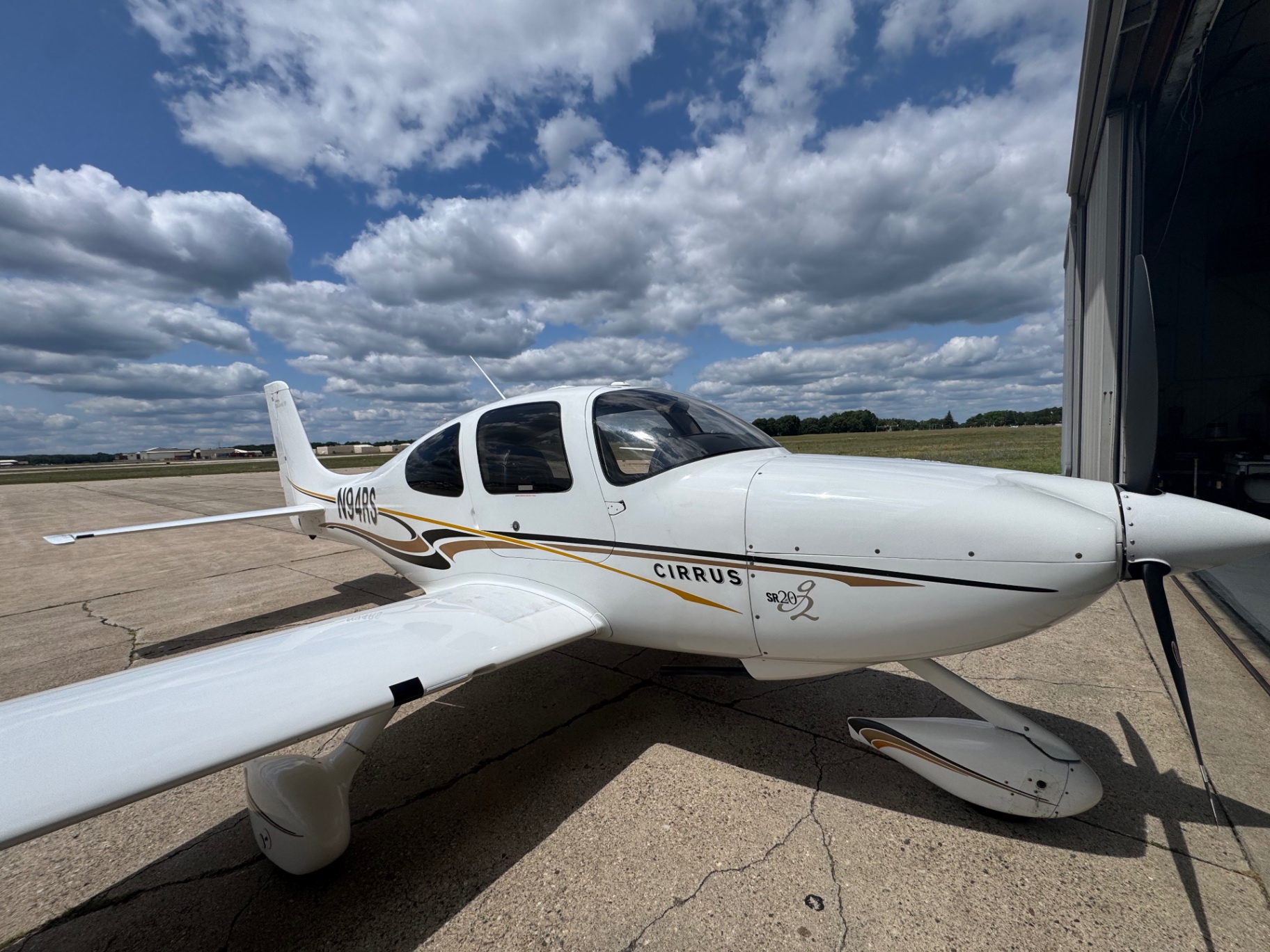
Radio work that keeps you ahead
- 1Get ATIS before you call Ground. Read back the code and the altimeter setting.
- 2State position on the field, aircraft type, and intentions in one clean transmission — Denton gets busy, and a tidy call gets you moving.
- 3Ask for the practice area or a specific departure direction rather than a vague "northbound"; controllers can sequence you faster.
- 4Set up flight following before you leave the pattern if you're transiting the Metroplex — it's the easiest way to stay clear of the Bravo and get traffic advisories.
- 5On return, report inbound early with your position relative to a known landmark. Denton has parallel runways and a mix of trainers and turbine traffic.
Summer density altitude in North Texas is real
At a field elevation near 643 feet, a 100°F July afternoon in Denton can push density altitude well above 3,000 feet. That means longer takeoff rolls, reduced climb rate, and less margin on a hot, heavy departure. Run actual performance numbers from the POH — the same numbers stored on every aircraft page in the member portal — and be honest about weight and balance instead of rounding in your favor.
Every A4 member gets a checkout that covers this airspace specifically, because knowing the local Bravo geometry is a KDTO-specific skill that no online course teaches you.
AirspaceKDTORadio work
