Our story
How the club started
A4Flight Academy began with two light sport aircraft and a straightforward premise: general aviation access should be predictable in cost and honest about what is included.
Why we started
Our aircraft, our ramp.
The club began because the alternatives asked pilots to accept two things at once: aging airframes and unpredictable invoices. We wanted the opposite — a small fleet we control, based on a ramp we work every day, with rates published where anyone can read them. Our aircraft, our ramp: nothing about a flight depends on a third party's schedule, a leaseback owner's mood, or a dry rate that turns into a surprise once the fuel truck arrives.
Predictable cost
Every published rate is wet. Fuel, insurance and maintenance are inside the number, so a two-hour flight costs what the rate says it costs. The website and the invoice read from the same record.
Honest about what is included
Dues buy access, scheduling, insurance and maintenance management. Flight time is billed as flown. There is no initiation fee hidden in an hourly rate and no fuel surcharge waiting at the end of the month.
Why KDTO and Sheltair
A field that works for pilots who fly for real.
Denton Enterprise Airport gives members a towered field with instrument approaches, long runways and a location that reaches the whole Metroplex without a Class B clearance. Sheltair gives us a professional FBO: a real lobby, crew amenities, a clean ramp and hangar access that keeps the airplanes out of the Texas sun. Members walk through a front door they would be comfortable bringing a client through, then fly airplanes that were preflighted on a lit, uncluttered ramp.
Denton Enterprise (KDTO)
Towered operations, instrument approaches and a practice area minutes from the field — useful for primary training, for currency and for keeping instrument skills honest.
Sheltair FBO
Our home base at 5035 Warbird Drive. Conditioned lobby, crew car access, and hangar space for the fleet rather than a tiedown at the end of a row.
Why this fleet
A small fleet, maintained properly, priced wet.
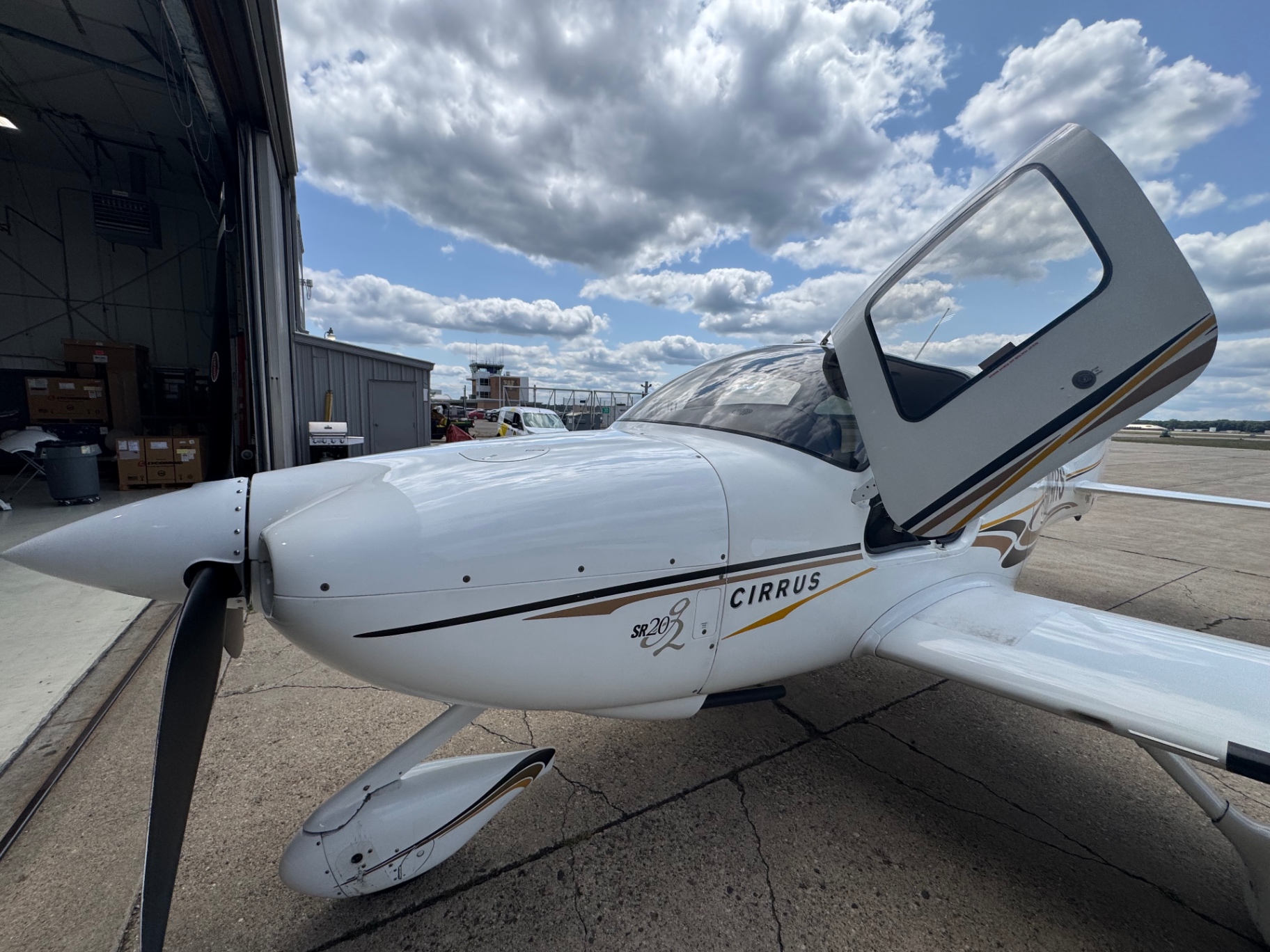
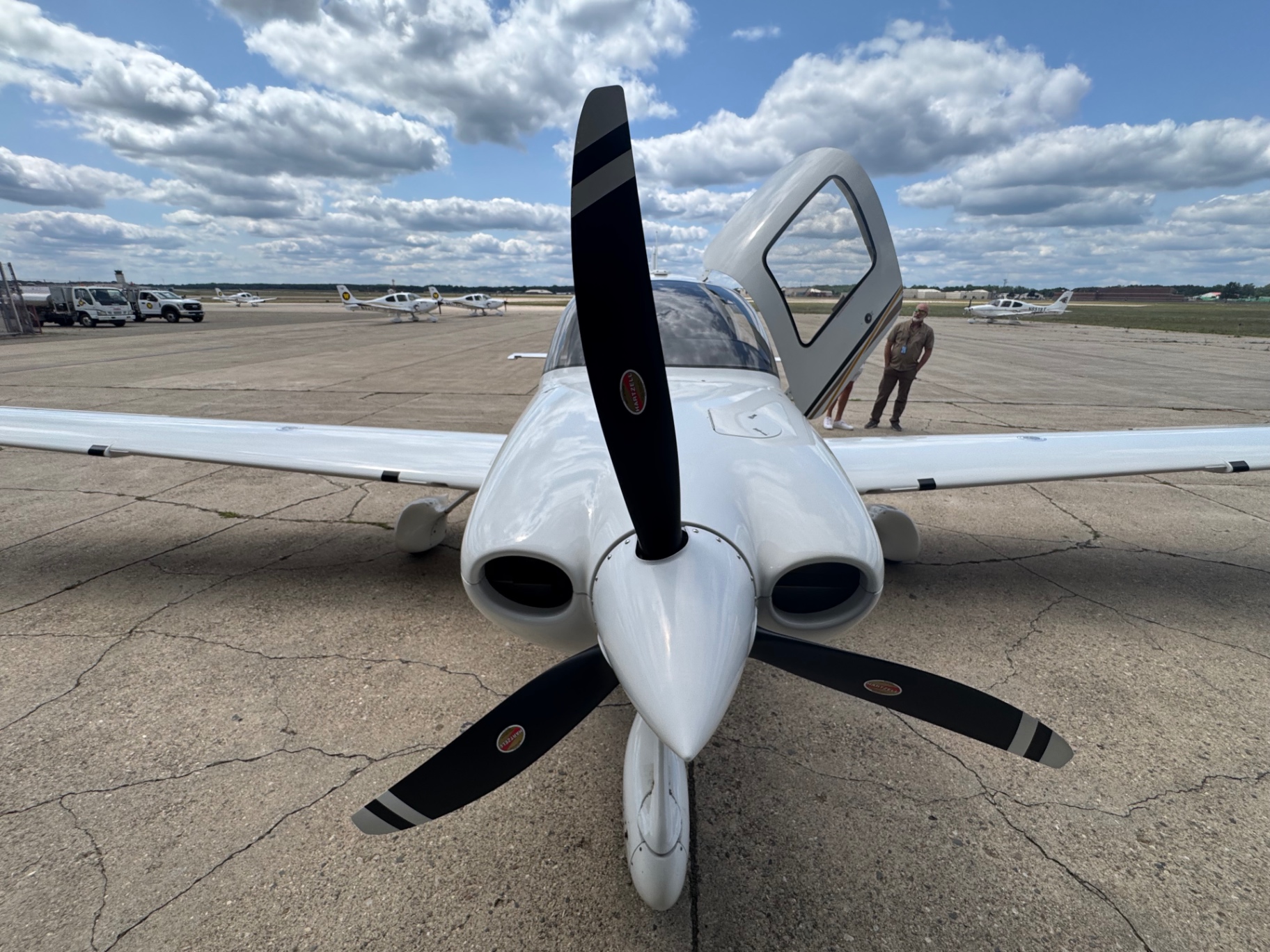
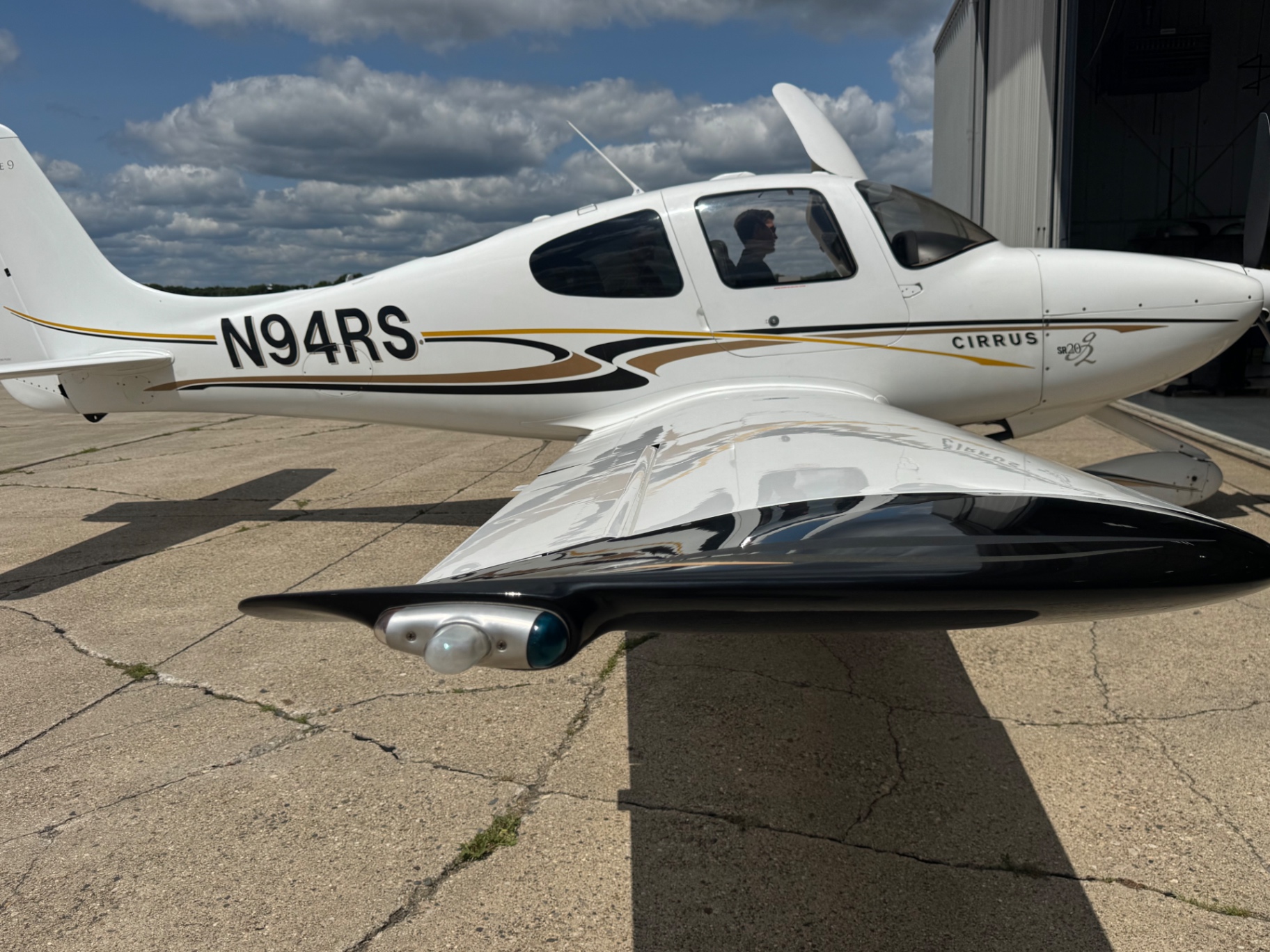
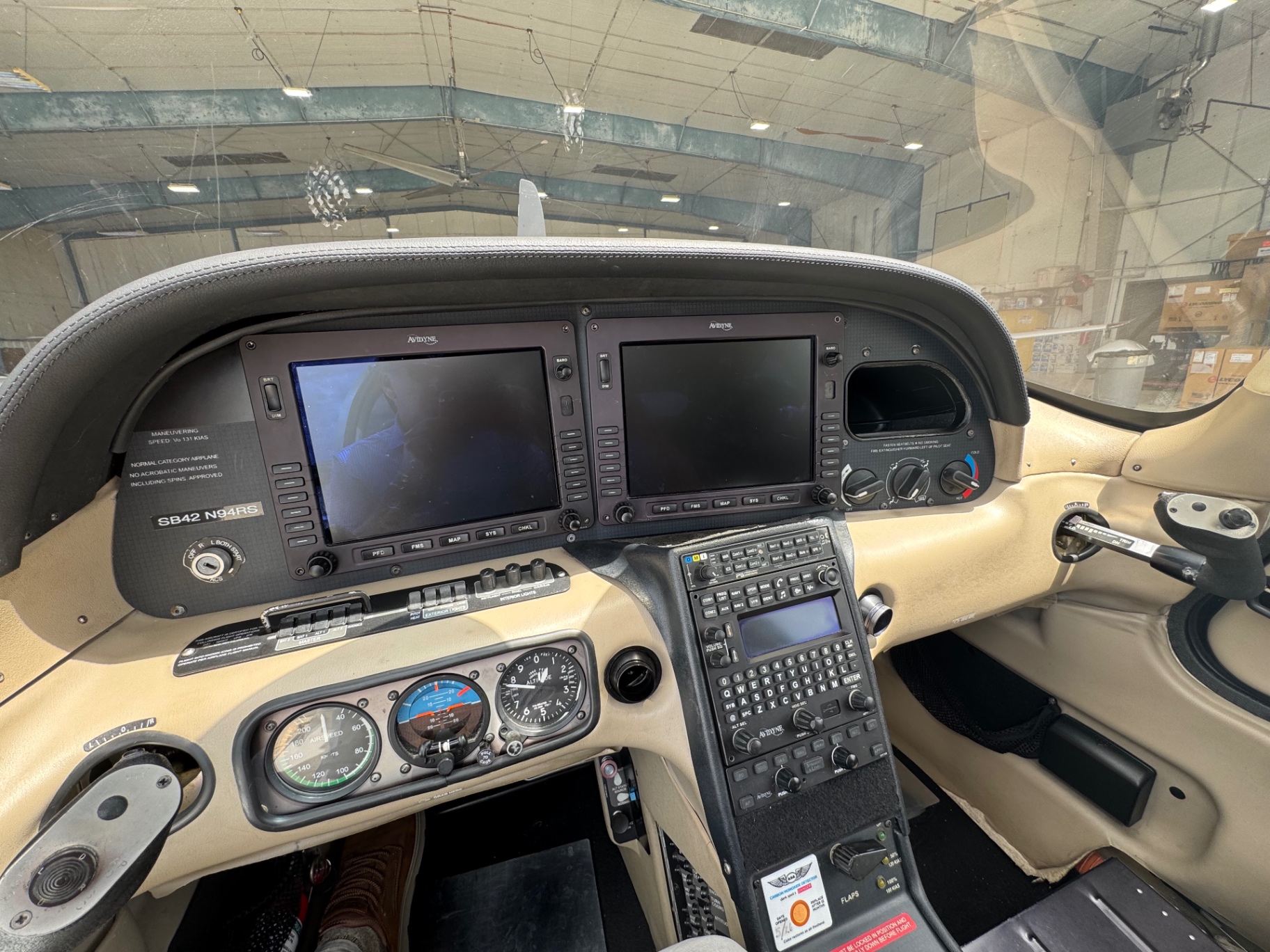
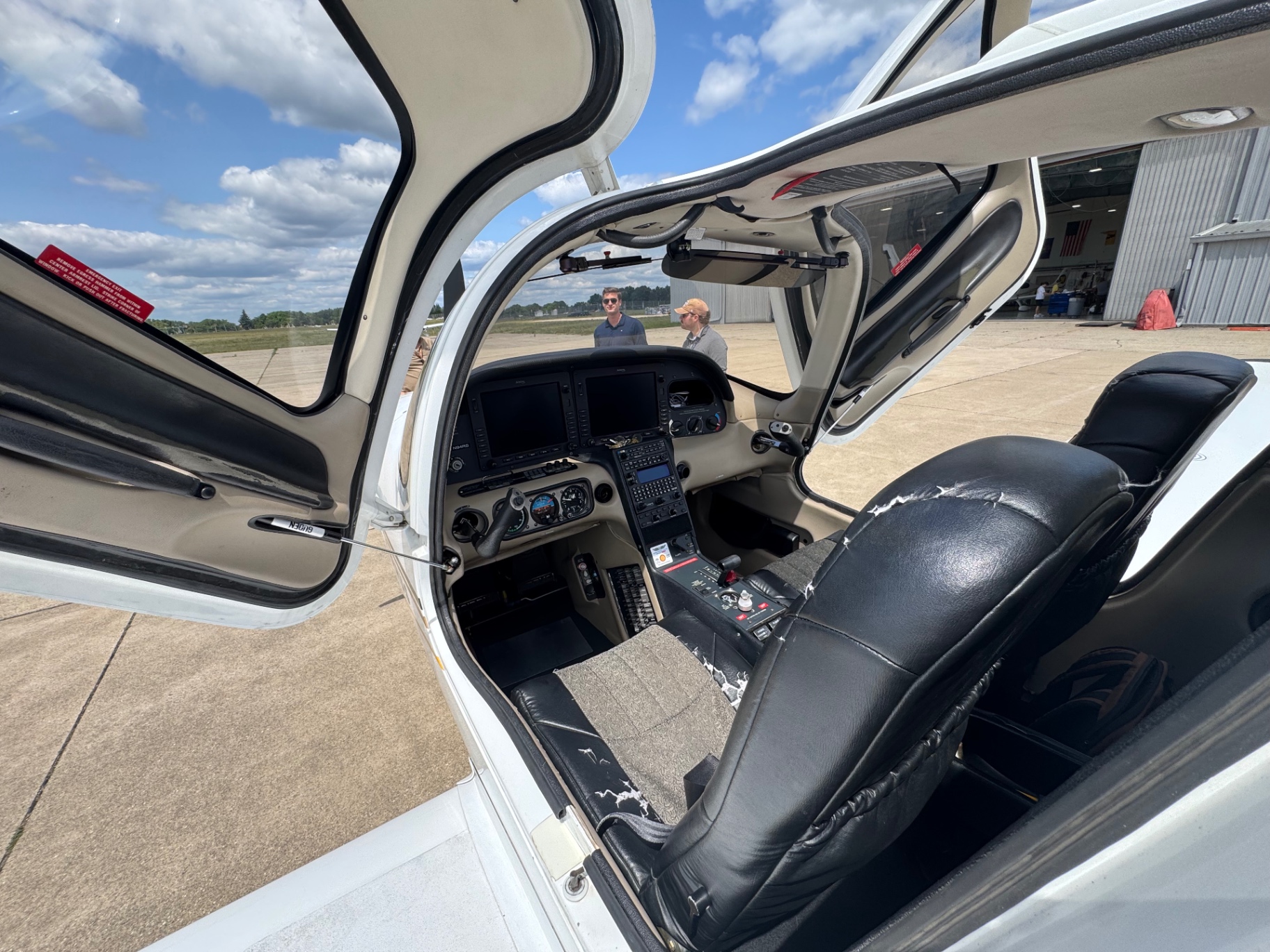
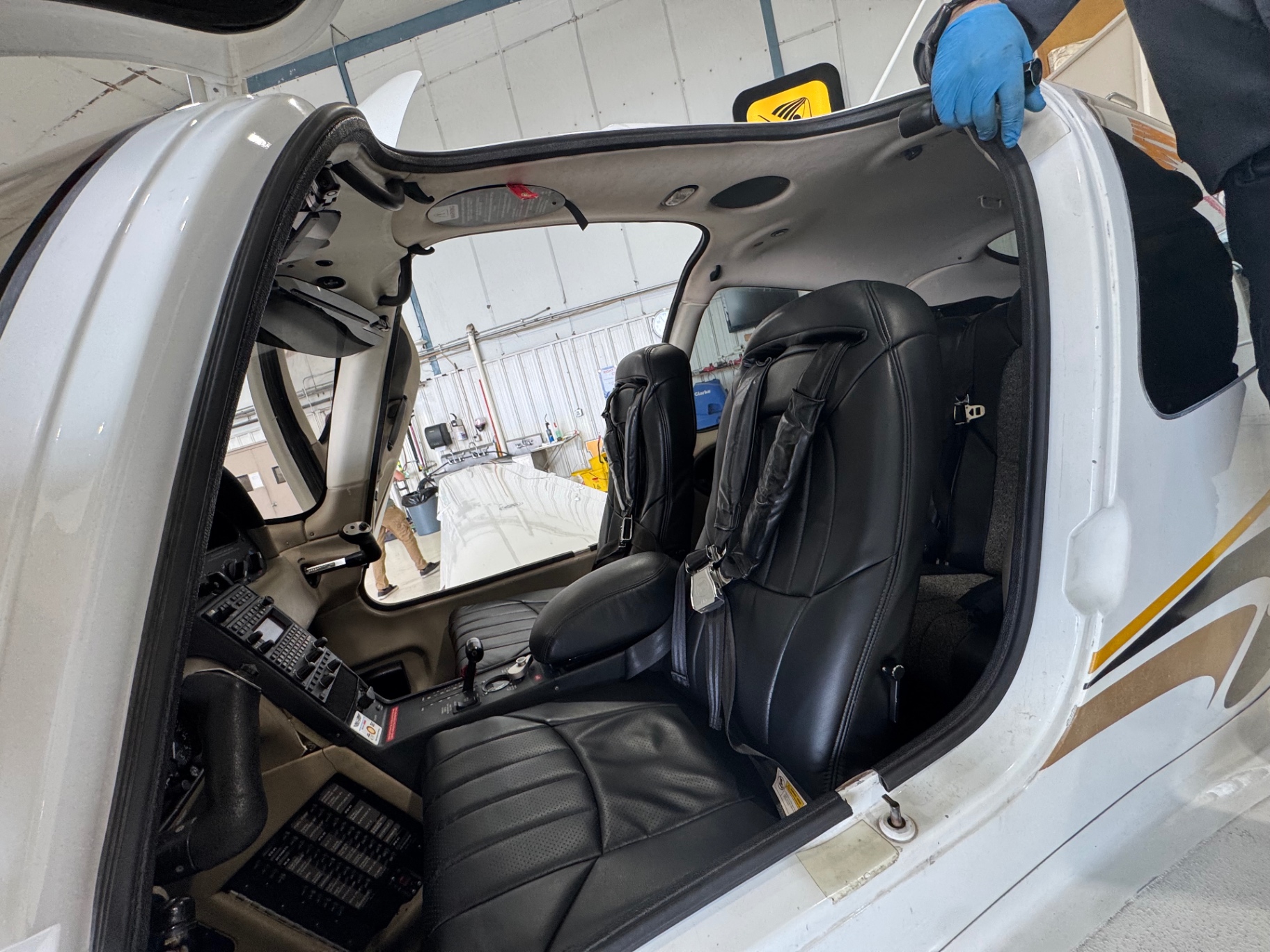
Glass panels. Real currency. We fly two Cirrus SR20-G2s because they put a modern flight deck, four seats and an airframe parachute in front of members at a rate that still makes sense for a club, and a Jabiru J170 because a modern light sport airframe teaches stick-and-rudder flying while burning a fraction of the fuel of a legacy trainer. Three aircraft is deliberate: it is the largest fleet we can keep to this standard without maintenance becoming a queue.
Cirrus SR20-G2 — N94RS and N36PL
Four seats, IFR capable, airframe parachute, and enough cross-country legs to be useful for a weekend rather than only a lesson.
Jabiru J170 — N538J
A premium light sport trainer for sport pilot work, primary training and time building, with the club's most accessible wet rate.
Maintained on data
Inspection status, airframe and engine time and open squawks live in one record. Grounding decisions are made from that record, not from convenience.
Instructors
A4-approved CFIs, not employees.
Our instructors are independent professionals who choose to teach here, and we approve them for the aircraft and the type of instruction they give. That keeps instruction personal — you fly with the same CFI through a rating — while the club stays responsible for standards, checkouts and recurrent training. Instructors are not managed by an hourly quota, and members are never handed to whoever happens to be free.
Approved for the airplane
Approval is per aircraft and per activity. An instructor signed off in the Jabiru is not automatically teaching instrument work in the Cirrus.
Paid by the club
Instruction is billed on the club invoice and A4 pays the CFI directly. Nobody chases anybody for money at the end of a lesson.
How we run it
One invoice, published rates.
Aircraft time, instruction and dues arrive on a single monthly statement, and the member portal shows the flights behind each line. Everything else runs the same way: apply online, sign once, book from your phone, dispatch at the airplane, log the flight, pay from the portal. It is a deliberately unglamorous operating model — no packages, no negotiated rates, no separate CFI bill — and it is the reason members can predict what flying here costs before they walk to the ramp.
From one aircraft to three
The Jabiru established training and time building at KDTO; the Cirrus pair added four seats, IFR capability and parachute-equipped cross-country flying.
One platform
Scheduling, maintenance, membership and billing run on a single system rather than several disconnected tools.
On the line
Our aircraft, our ramp.
Every photograph is a club aircraft at Denton Enterprise Airport.